Air Purifier vs Humidifier: When You Need Which (2026)
They Solve Different Problems
This comparison comes up constantly, and the confusion makes sense - both are box-shaped appliances that sit in your room and "improve" your air. But they do fundamentally different things.
An air purifier removes stuff from the air. Dust, pollen, pet dander, smoke particles, mold spores - it pulls air through filters and traps contaminants. The air coming out has fewer particles in it.
A humidifier adds moisture to the air. It takes water from a reservoir and disperses it as mist or vapor, raising the relative humidity in your space. It doesn't filter anything.
Confusing these is like confusing a water filter with a faucet. Related to the same system, completely different functions.
When You Need an Air Purifier
You need an air purifier if your problem is particles in the air. That means:
- Allergies (pollen, dust mites, pet dander)
- Asthma triggers
- Wildfire smoke
- Musty or moldy air
- General dust problems
- Living near a busy road (particulate exhaust)
Air purifiers with True HEPA filters capture 99.97% of particles at 0.3 microns. If you're sneezing, congested, or your allergies flare up indoors, this is what you need.
When You Need a Humidifier
You need a humidifier if your problem is dry air. That means:
- Dry skin and cracked lips during winter
- Nosebleeds from dry nasal passages
- Static electricity everywhere
- Dry throat and coughing at night
- Wooden furniture or instruments cracking
Indoor humidity should stay between 30-50%. Winter heating systems frequently drop it below 20%, which is genuinely uncomfortable and can irritate your respiratory system. A humidifier brings it back to a healthy range.
Can You Use Both? (Yes, and Sometimes You Should)
These aren't competing solutions. Running both simultaneously is perfectly fine and sometimes the ideal setup. Here are the scenarios where both make sense:
Allergies in dry winter months: The purifier removes allergens while the humidifier keeps your nasal passages from drying out and becoming more sensitive to whatever allergens remain.
Baby rooms: Pediatricians often recommend both. Clean air reduces respiratory irritants, and proper humidity helps babies breathe and sleep more comfortably. The Levoit Core 300S handles purification for a nursery-sized room, and a cool-mist humidifier keeps humidity in the safe range.
Dry climates with dust: Desert environments like Arizona or Nevada have both dust problems and low humidity. A purifier handles the particulates while a humidifier addresses the dryness.
Post-wildfire recovery: Smoke season demands an air purifier, but the dry conditions that cause wildfires also mean your indoor air is likely too dry.
Combos: Worth It or Gimmick?
Some manufacturers sell 2-in-1 purifier-humidifier combos. My honest take: they're usually mediocre at both jobs. The filtration is weaker than a dedicated purifier, and the humidification capacity is smaller than a standalone unit. You also risk moisture getting into the filter, which can promote mold growth - literally defeating the purpose.
Buy them separately. A quality air purifier and a basic humidifier together cost about the same as a mediocre combo unit, and each does its job properly.
Best Setups by Scenario
For allergies: Start with a True HEPA air purifier. Add a humidifier only if you're also dealing with dry air symptoms. The purifier alone solves most allergy problems.
For dry winters: Start with a humidifier. If you also have dust or allergy issues, add a purifier. But dry skin and nosebleeds are a humidity problem, not a particle problem.
For baby rooms: Get both. A compact purifier like the Levoit Core 300S and a cool-mist humidifier. Avoid warm-mist humidifiers around babies (burn risk if tipped).
For general wellness: Monitor your humidity with a $10 hygrometer. If it's consistently below 30%, get a humidifier. If allergies or dust are a problem, get a purifier. Most people don't need both unless they have specific conditions.
One Important Warning
Running a humidifier without monitoring humidity can create problems. Above 50% humidity, you're creating conditions for mold and dust mites to thrive - the exact things an air purifier is trying to remove. Always use a hygrometer and keep humidity between 30-50%. More is not better.
Back to Clean Air Picks homepage: https://cleanairpicks.com
Affiliate Disclosure
Clean Air Picks participates in the Amazon Associates program. We earn a small commission from purchases made through our links at no additional cost to you. This helps us maintain and improve our site while providing honest, unbiased reviews.
Recommended Products
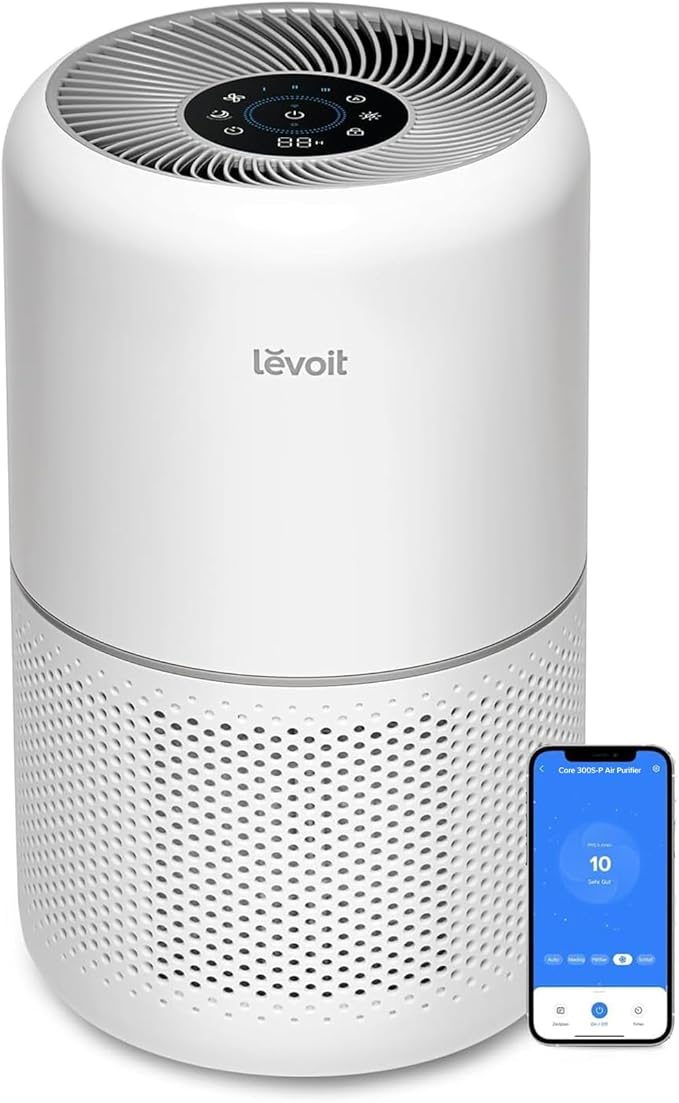
Levoit Core 300S
Budget
Check price
Compact air purifier with H13 HEPA filter for small to medium rooms.
View on Amazon →
Levoit Vital 200S
Budget
Check price
Smart air purifier with app control and auto mode for allergies.
View on Amazon →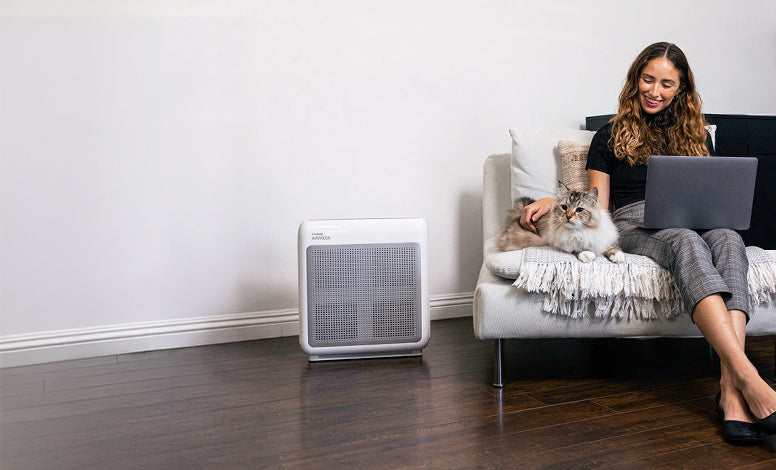
Coway Airmega 400
Premium
Check price
Advanced ionization with dual-sided air intake for large rooms.
View on Amazon →
Dyson Purifier Cool
Premium
Check price
Combines air purification with cooling fan function.
View on Amazon →
Winix 5510
Mid-Range
Check price
Successor to the 5500-2 with True HEPA, carbon filtration, PlasmaWave, and app support.
View on Amazon →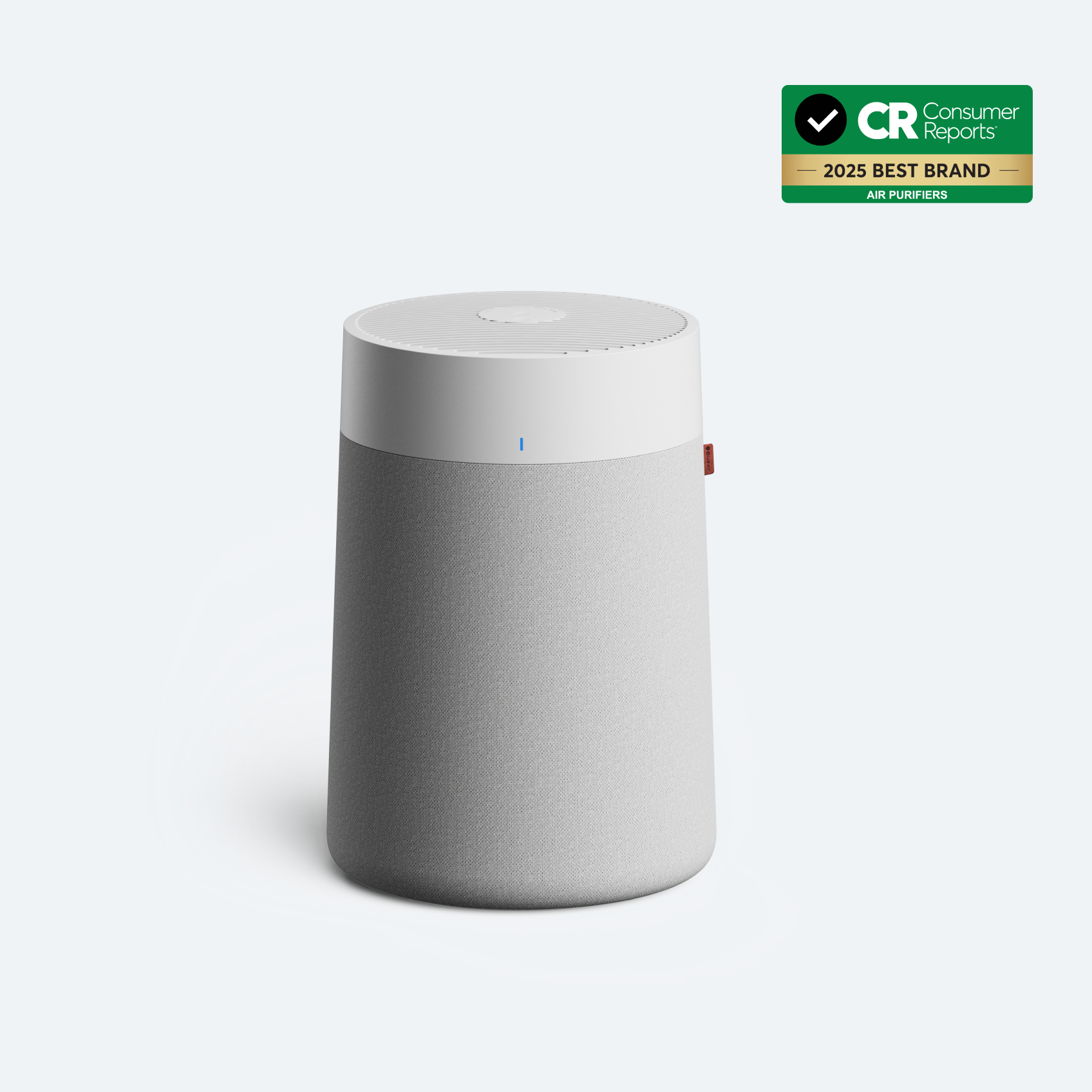
Blueair Blue Pure 211+
Mid-Range
Check price
Swedish design with high CADR and quiet operation.
View on Amazon →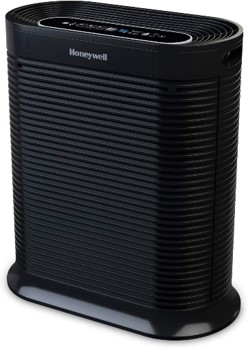
Honeywell HPA300
Mid-Range
Check price
Reliable HEPA filtration with three cleaning levels.
View on Amazon →

Alen BreatheSmart 75i
Premium
Check price
Whisper-quiet premium purifier for large spaces.
View on Amazon →
Molekule Air Pro
Premium
Check price
Advanced photoelectrochemical oxidation technology.
View on Amazon →
GermGuardian AC5250PT
Budget
Check price
Compact with germicidal UV-C light technology.
View on Amazon →

Levoit Air Purifier Pro
Mid-Range
Check price
Smart WiFi enabled with real-time air quality monitoring.
View on Amazon →
Airthings Renew Air Purifier
Smart
Check price
For bedrooms where you want to see the air quality, not guess. Built-in particulate and humidity sensors with an auto mode that ramps with the room. HEPA handles fine particles down to PM1. The catch: no carbon stage, so it does little for odors or gases.
Buy Direct →
Austin Air HealthMate
Premium
Check price
If you deal with smoke, chemicals, or strong odors, this is the heavy hitter. Medical-grade HEPA plus 15 lbs of activated carbon and zeolite, rated for rooms up to 1500 sq ft, with filters that last about 5 years. You pay for it in price and weight.
Buy Direct →
AirFree P2000
Filterless
Check price
A filterless purifier that heats incoming air to destroy mold, bacteria, and dust mites, so there is nothing to replace and no filter cost. The tradeoff is real: it does not capture dust or large allergens the way a HEPA unit does, so pair it with one if particles are your problem.
Buy Direct →
EyeVac Air Touchless Vacuum and Air Purifier
Specialty
Check price
A floor vacuum and air purifier in one, made for entryways and pet areas. Sweep debris to the touchless sensor base and it pulls it in, while the HEPA side handles airborne dust. As a pure air purifier, a dedicated HEPA unit moves more air for the money.
Buy Direct →