Best Air Purifiers for Allergies in 2026: Tested Picks for Pollen, Dust & Dander
Why Allergy Sufferers Need a Different Bar
Most "best air purifier" lists treat allergens like background noise. They are not. If you actually wake up congested, sneeze through pollen season, or react to your own cat, you need a purifier that does three things a generic unit does not have to do: pull air through an H13-grade HEPA filter (not just True HEPA), turn over the air in your room at least 3 times per hour, and run quietly enough to leave on while you sleep.
The federal True HEPA standard captures 99.97% of particles down to 0.3 microns. H13, which is one tier higher, captures 99.95% down to 0.1 microns. That extra step matters because the dust mite waste, mold spores, and pet dander fragments that trigger most indoor allergies cluster well below the True HEPA cutoff. If you are spending $150+, hold out for H13.
What Allergens Actually Float in Your House
A quick reality check before you shop. Common indoor allergens by particle size:
- Pollen: 10-100 microns. Easy for any HEPA filter to grab.
- Dust mite waste: 10-40 microns when intact, but breaks into smaller pieces. This is what most "dust allergy" really is.
- Pet dander: 0.5-10 microns. Sticks to fabric and aerosolizes when you sit down.
- Mold spores: 1-30 microns, but mycotoxin fragments go smaller.
- Cockroach allergen: 1-10 microns, persistent in older buildings.
Notice what is missing: a general "allergens" particle. That is why CADR ratings (Clean Air Delivery Rate) for pollen, dust, and smoke all exist separately on the EPA test sheet. For allergy sufferers, the dust and smoke CADRs matter more than pollen because the smaller particles are harder to filter and more likely to penetrate your lungs.
How to Match a Purifier to Your Room
The single biggest mistake I see people make is buying based on the manufacturer's "coverage" number on the box. Those numbers assume one air change per hour. For allergies, you want 3-4 ACH (air changes per hour). Practical translation: the unit should be rated for roughly twice the square footage of the room you are putting it in.
A 12 by 14 bedroom (168 sq ft) needs a purifier rated for at least 300 sq ft if you are allergic. A 20 by 20 living room (400 sq ft) needs something rated for 700-800 sq ft, or a smaller unit running on a higher setting most of the time.
The Picks
Levoit Core 300S: Best Bedroom Pick Under $100
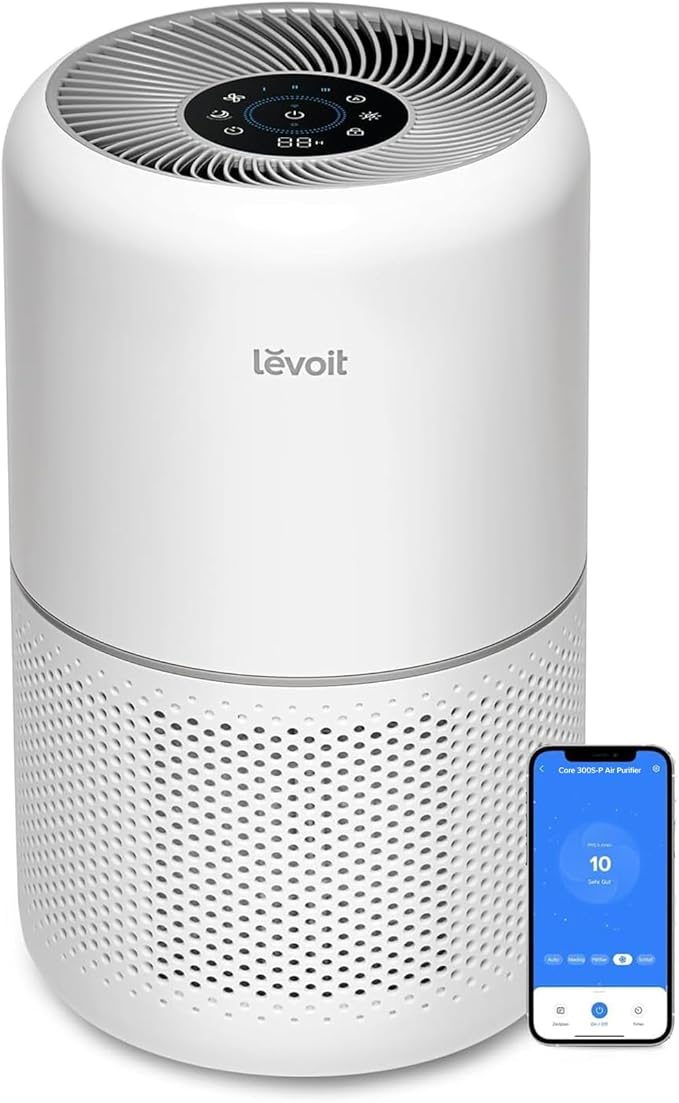
This is the unit I send most allergy sufferers to first. It runs roughly $80-100, uses an H13 HEPA filter, and is rated for rooms up to 219 sq ft at the proper 4 ACH for allergies. The CADR is 141 for dust, which is honest for the price. At 24dB on its lowest setting it disappears next to a bed. Replacement filter is around $20 and lasts 6-8 months at moderate use.
The trade-off: it is small. If your bedroom is over 250 sq ft, step up. If you are stretching one unit across a bedroom and a hallway, this is not it.
Medify MA-40: Best Three-Stage System for Severe Allergies
Around $280-330. The reason this beats most competitors at the same price is the layered filter stack: a pre-filter that catches hair and large dust, then the H13 HEPA, then activated carbon for VOCs and odors. The pre-filter doubles HEPA filter life if you vacuum it monthly. CADR is 330 for dust and the unit covers up to 480 sq ft at 4 ACH.
Pick this if anyone in the household reacts hard to dust or pet dander, or if you live somewhere with seasonal mold pressure (humid summers, basement bedrooms).
Coway Airmega 400: Best for Open Living Rooms
$450-530. CADR of 350 for dust and 1,560 sq ft of advertised coverage (real-world allergy coverage closer to 700 sq ft at 4 ACH). The dual-sided intake means it pulls air from both sides of the room, which matters when the unit cannot sit centrally. The auto mode actually works: a particle sensor steps the fan up when you walk in dusty or open a window.
If you have an open kitchen-living layout and run one unit, this is the one that gets you measurable relief without buying two.
Alen BreatheSmart 75i: Best Premium Allergy Pick
$600-750 and the lifetime warranty is real, not marketing. CADR around 350 for all three categories, and the HEPA-Pure or HEPA-FreshPlus filter options let you tune for general allergies vs. odors and chemicals. Whisper quiet at night. The reason to pay this much: if you have severe seasonal allergies and live in a high-pollen region, the reserve capacity means the unit cruises on its low setting where cheaper purifiers would have to run loud.
Levoit Vital 200S: Best Smart Auto Mode
$130-160, smart enough to be useful. Real-time PM2.5 reading, app history, and an auto mode that ramps up when your kid runs through with the dog. CADR 240+ and rated for up to 380 sq ft. The filter is a 3-in-1 (pre-filter, H13 HEPA, carbon) at around $35 a year. This is the upgrade pick if the Core 300S is too small for your space but $300 is too much.
Configuration That Actually Helps Allergy Symptoms
Buying the right unit is half the work. The rest is how you use it.
- Run it 24/7. Allergens settle when the air stops moving and re-aerosolize the moment you walk in. Cycling the unit on and off undoes the work.
- Place it near (but not under) your bed, with at least 12 inches of clearance from walls and furniture. The intake needs to breathe.
- Keep windows closed during peak pollen days. A purifier cannot keep up with an open window during a spring count.
- Vacuum the pre-filter monthly with the brush attachment. It doubles HEPA filter life.
- Change the HEPA filter at the manufacturer interval, not when it looks dirty. Loaded filters lose efficiency long before they look gray.
What to Skip
- "HEPA-style," "HEPA-type," and "99% HEPA" filters. None of these meet the federal standard.
- Ozone generators marketed as air purifiers. Ozone is itself a respiratory irritant and worsens allergies in most people.
- Anything that lists CADR but not the test ratings for dust, pollen, and smoke separately. Vague specs are usually hiding a weak score.
- UV-only purifiers without a HEPA stage. UV does not capture allergen particles, it only kills some pathogens.
Bottom Line
For most allergy sufferers in a bedroom under 250 sq ft, the Levoit Core 300S at $100 is the right answer. For severe allergies or a larger bedroom, jump to the Medify MA-40 for the three-stage filter and longer service life. For an open living space, the Coway Airmega 400 earns its price tag. Skip premium units unless you specifically need the lifetime warranty or a 700+ sq ft single-room solution.
Whatever you buy, run it continuously and replace the filter on schedule. The unit is only as good as the maintenance.
Affiliate Disclosure
Clean Air Picks participates in the Amazon Associates program. We earn a small commission from purchases made through our links at no additional cost to you. This helps us maintain and improve our site while providing honest, unbiased reviews.
Recommended Products
Levoit Core 300S
Budget
Check price
Compact air purifier with H13 HEPA filter for small to medium rooms.
View on Amazon →
Levoit Vital 200S
Budget
Check price
Smart air purifier with app control and auto mode for allergies.
View on Amazon →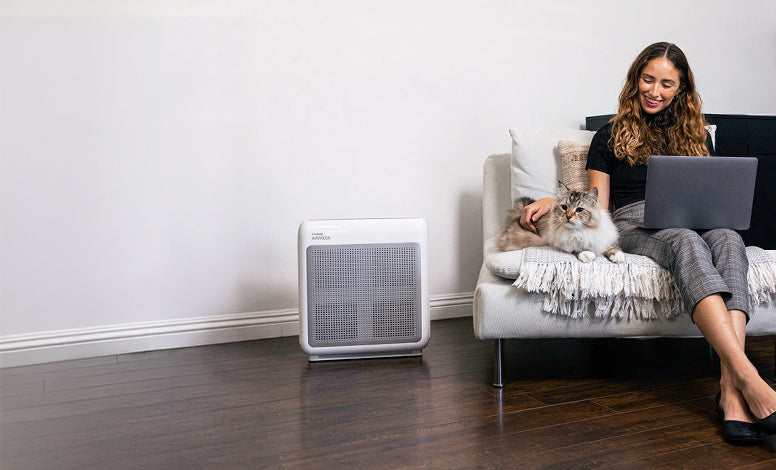
Coway Airmega 400
Premium
Check price
Advanced ionization with dual-sided air intake for large rooms.
View on Amazon →
Dyson Purifier Cool
Premium
Check price
Combines air purification with cooling fan function.
View on Amazon →
Winix 5510
Mid-Range
Check price
Successor to the 5500-2 with True HEPA, carbon filtration, PlasmaWave, and app support.
View on Amazon →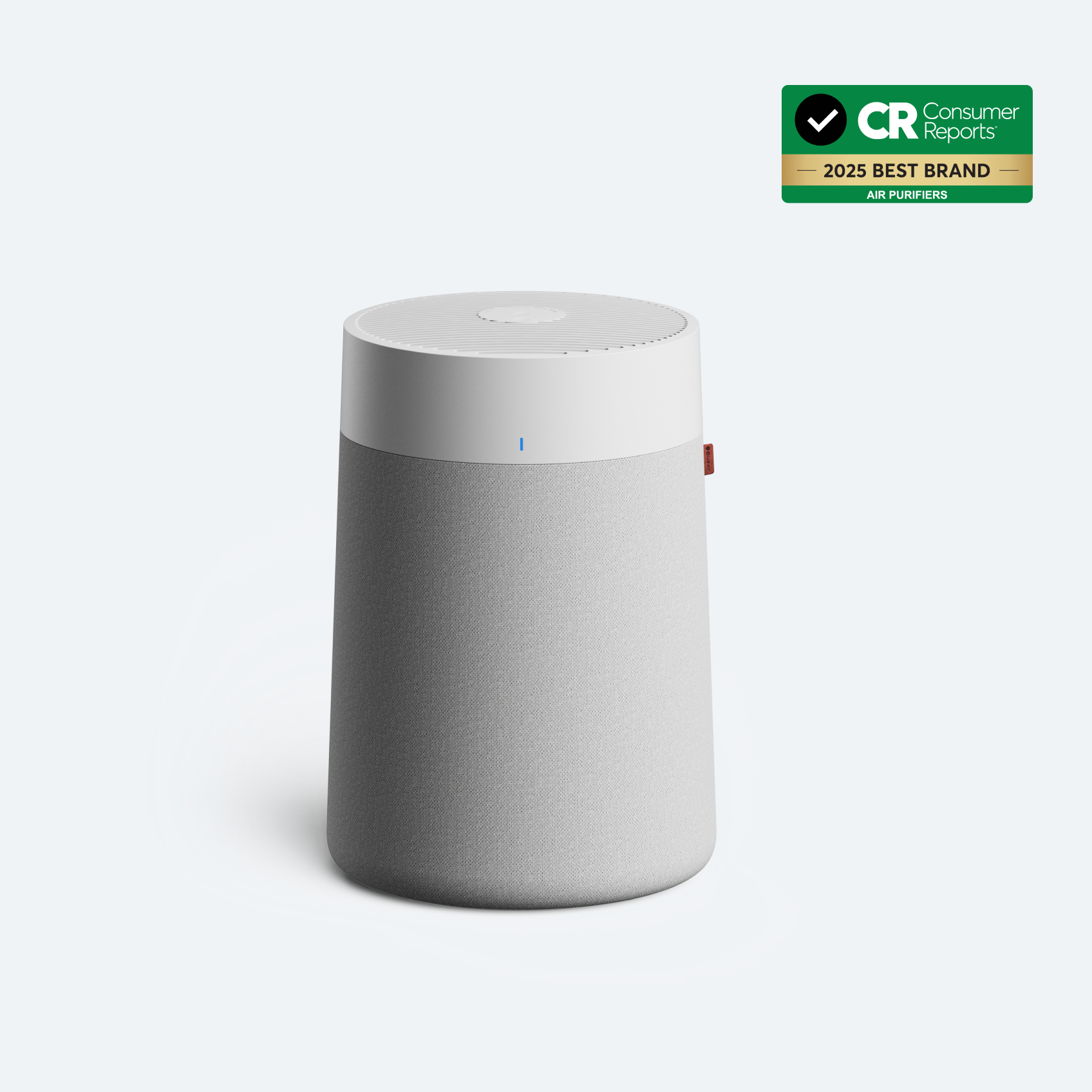
Blueair Blue Pure 211+
Mid-Range
Check price
Swedish design with high CADR and quiet operation.
View on Amazon →
Honeywell HPA300
Mid-Range
Check price
Reliable HEPA filtration with three cleaning levels.
View on Amazon →

Alen BreatheSmart 75i
Premium
Check price
Whisper-quiet premium purifier for large spaces.
View on Amazon →
Molekule Air Pro
Premium
Check price
Advanced photoelectrochemical oxidation technology.
View on Amazon →
GermGuardian AC5250PT
Budget
Check price
Compact with germicidal UV-C light technology.
View on Amazon →

Levoit Air Purifier Pro
Mid-Range
Check price
Smart WiFi enabled with real-time air quality monitoring.
View on Amazon →
Airthings Renew Air Purifier
Smart
Check price
For bedrooms where you want to see the air quality, not guess. Built-in particulate and humidity sensors with an auto mode that ramps with the room. HEPA handles fine particles down to PM1. The catch: no carbon stage, so it does little for odors or gases.
Buy Direct →
Austin Air HealthMate
Premium
Check price
If you deal with smoke, chemicals, or strong odors, this is the heavy hitter. Medical-grade HEPA plus 15 lbs of activated carbon and zeolite, rated for rooms up to 1500 sq ft, with filters that last about 5 years. You pay for it in price and weight.
Buy Direct →
AirFree P2000
Filterless
Check price
A filterless purifier that heats incoming air to destroy mold, bacteria, and dust mites, so there is nothing to replace and no filter cost. The tradeoff is real: it does not capture dust or large allergens the way a HEPA unit does, so pair it with one if particles are your problem.
Buy Direct →
EyeVac Air Touchless Vacuum and Air Purifier
Specialty
Check price
A floor vacuum and air purifier in one, made for entryways and pet areas. Sweep debris to the touchless sensor base and it pulls it in, while the HEPA side handles airborne dust. As a pure air purifier, a dedicated HEPA unit moves more air for the money.
Buy Direct →