Air Purifier With UV-C Light: Is It Worth It?
How UV-C Works in an Air Purifier
UV-C light (100-280 nm wavelength) damages the DNA and RNA of microorganisms — viruses, bacteria, and mold spores. At sufficient doses, this inactivates (renders non-infectious) the organism. The dose required is measured in millijoules per square centimeter (mJ/cm²) and varies by pathogen.
In a residential air purifier, air passes through (or past) a UV-C lamp for a very short duration — typically 1-3 milliseconds at normal fan speeds. The UV-C energy delivered in that window may be 0.1-1 mJ/cm², depending on lamp intensity and chamber design.
The problem: effective inactivation of most pathogens requires 1-20 mJ/cm² or more. At the contact times and lamp intensities found in most consumer purifiers, the delivered dose falls short of what is needed for reliable inactivation.
When UV-C Works in Purifiers
UV-C is more effective in two situations:
**Dedicated UVGI systems**: Upper-room UV-C systems installed in ceiling fixtures, HVAC UV-C systems, and commercial far-UVC installations are designed for much higher doses and longer exposure times. These are legitimate infection control tools used in hospitals and commercial HVAC.
**Slow airflow + close proximity**: Some purifiers specifically design the UV-C chamber to slow air through a longer UV-C exposure zone. If the spec sheet shows UV-C contact time of 100+ milliseconds or a delivered dose above 5 mJ/cm², the system is more likely to provide meaningful germicidal effect.
The Ozone Risk
Many UV-C lamps emit ozone as a byproduct. Lamps that produce only 254 nm UV-C (germicidal wavelength) generate minimal ozone. Lamps that emit below 220 nm produce significant ozone. UV-C purifiers marketed as "ozone-free" should specify "germicidal UV-C (254 nm)" or equivalent; unspecified UV-C sources may produce trace ozone.
The California Air Resources Board (CARB) does not approve ozone-producing air cleaners for residential use.
Should You Pay Extra for UV-C?
In most consumer air purifiers, UV-C adds 5-20% to the purchase price and minimal germicidal benefit compared to a HEPA-only unit. The HEPA filter already captures the particles that carry viruses and bacteria — a pathogen trapped in the HEPA fiber is removed from the airstream regardless of whether it is also inactivated.
UV-C as the primary disinfection mechanism (without HEPA backup) is not recommended. UV-C as a supplement to True HEPA filtration adds marginal benefit at an added cost.
Exceptions Where UV-C May Be Worth Considering
- Immune-compromised household members where any additional disinfection margin is valued
- Confirmed mold issues where capturing mold spores in HEPA without inactivating them is a concern (mold spores trapped in HEPA do not re-aerosolize under normal conditions, but some users prefer inactivation)
- Hospital or clinical home care environments where infection control protocols specifically call for UVGI supplementation
Verdict
For the average household, skip UV-C and spend the extra cost on a higher CADR unit. A bigger purifier running more air changes per hour does more for pathogen reduction than a same-size unit with a marginally effective UV-C lamp. The HEPA filter handles particle-borne pathogens effectively; UV-C adds benefit only at doses and contact times most consumer units do not achieve.
Affiliate Disclosure
Clean Air Picks participates in the Amazon Associates program. We earn a small commission from purchases made through our links at no additional cost to you. This helps us maintain and improve our site while providing honest, unbiased reviews.
Recommended Products
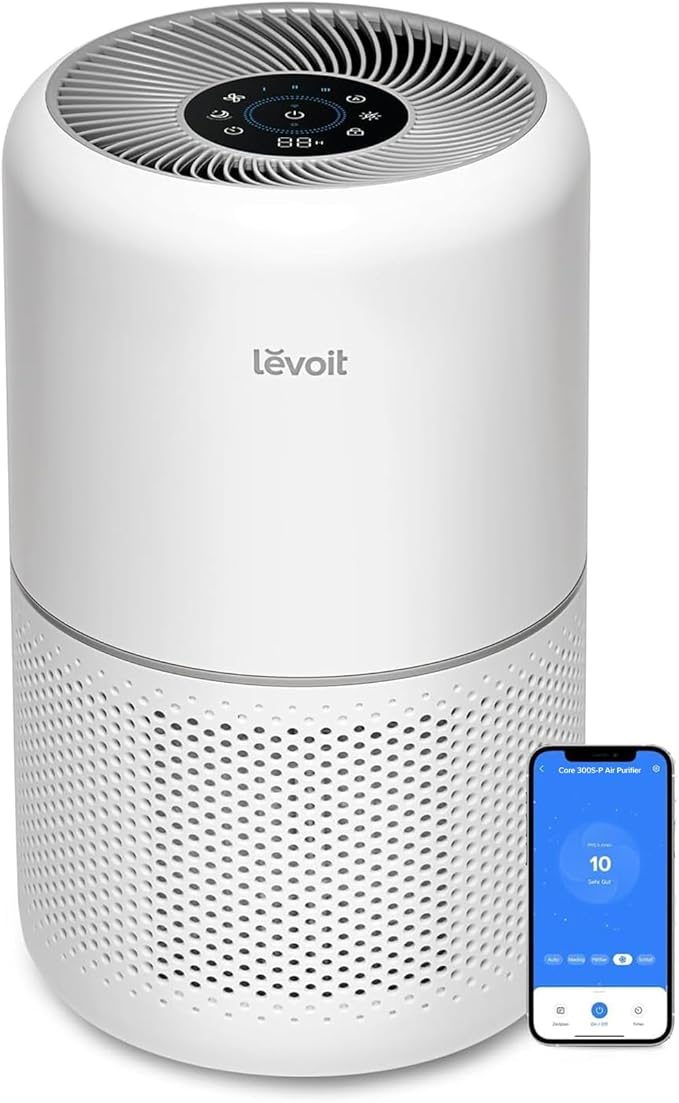
Levoit Core 300S
Budget
Check price
Compact air purifier with H13 HEPA filter for small to medium rooms.
View on Amazon →
Levoit Vital 200S
Budget
Check price
Smart air purifier with app control and auto mode for allergies.
View on Amazon →
Coway Airmega 400
Premium
Check price
Advanced ionization with dual-sided air intake for large rooms.
View on Amazon →
Dyson Purifier Cool
Premium
Check price
Combines air purification with cooling fan function.
View on Amazon →
Winix 5510
Mid-Range
Check price
Successor to the 5500-2 with True HEPA, carbon filtration, PlasmaWave, and app support.
View on Amazon →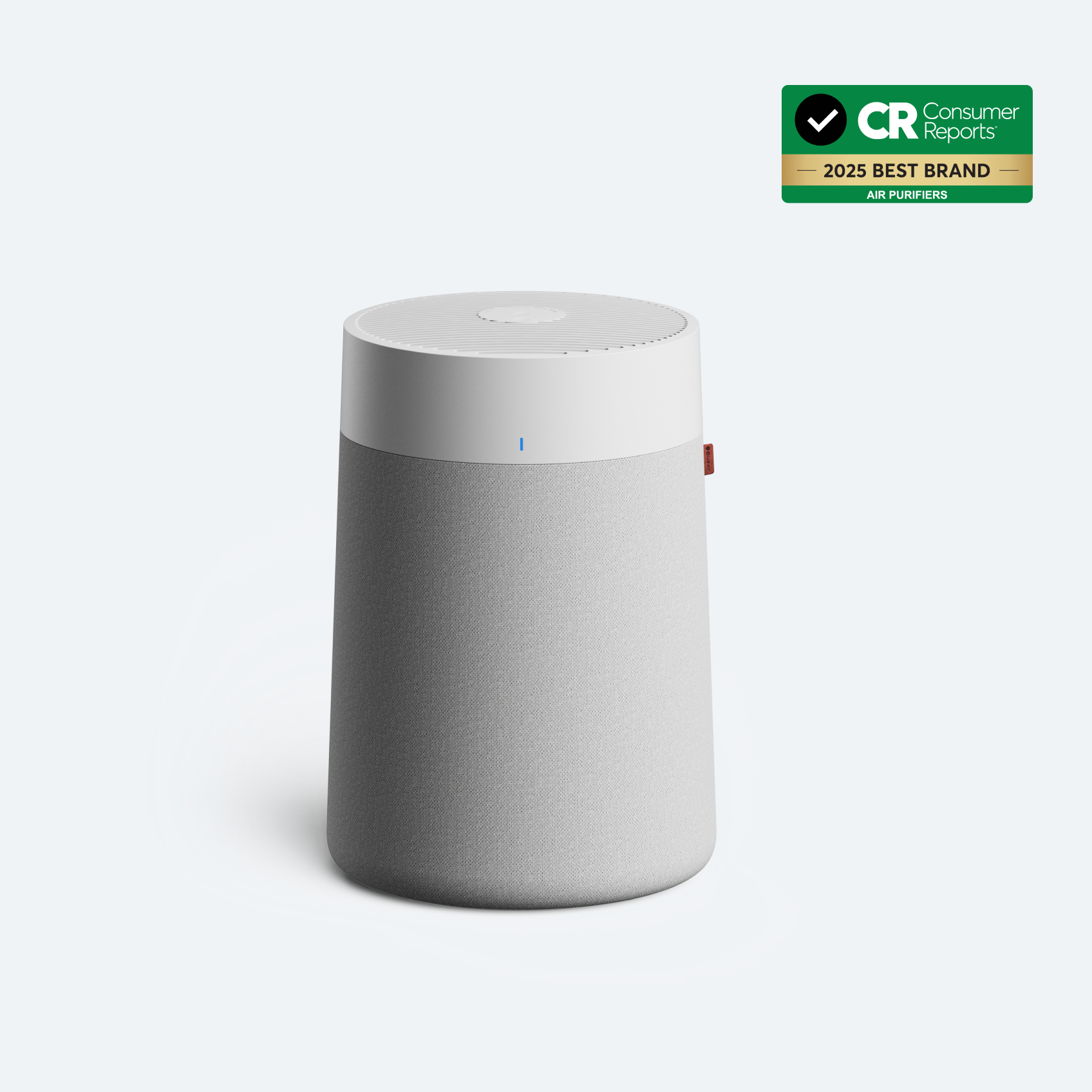
Blueair Blue Pure 211+
Mid-Range
Check price
Swedish design with high CADR and quiet operation.
View on Amazon →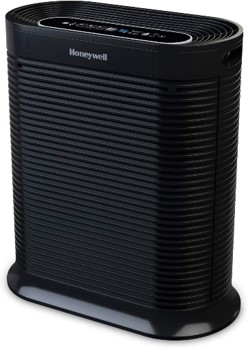
Honeywell HPA300
Mid-Range
Check price
Reliable HEPA filtration with three cleaning levels.
View on Amazon →

Alen BreatheSmart 75i
Premium
Check price
Whisper-quiet premium purifier for large spaces.
View on Amazon →
Molekule Air Pro
Premium
Check price
Advanced photoelectrochemical oxidation technology.
View on Amazon →
GermGuardian AC5250PT
Budget
Check price
Compact with germicidal UV-C light technology.
View on Amazon →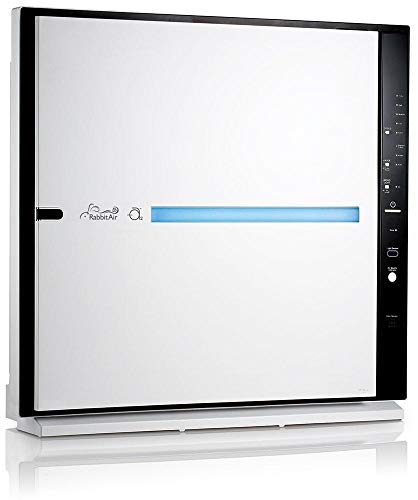

Levoit Air Purifier Pro
Mid-Range
Check price
Smart WiFi enabled with real-time air quality monitoring.
View on Amazon →
Airthings Renew Air Purifier
Smart
Check price
For bedrooms where you want to see the air quality, not guess. Built-in particulate and humidity sensors with an auto mode that ramps with the room. HEPA handles fine particles down to PM1. The catch: no carbon stage, so it does little for odors or gases.
Buy Direct →
Austin Air HealthMate
Premium
Check price
If you deal with smoke, chemicals, or strong odors, this is the heavy hitter. Medical-grade HEPA plus 15 lbs of activated carbon and zeolite, rated for rooms up to 1500 sq ft, with filters that last about 5 years. You pay for it in price and weight.
Buy Direct →
AirFree P2000
Filterless
Check price
A filterless purifier that heats incoming air to destroy mold, bacteria, and dust mites, so there is nothing to replace and no filter cost. The tradeoff is real: it does not capture dust or large allergens the way a HEPA unit does, so pair it with one if particles are your problem.
Buy Direct →
EyeVac Air Touchless Vacuum and Air Purifier
Specialty
Check price
A floor vacuum and air purifier in one, made for entryways and pet areas. Sweep debris to the touchless sensor base and it pulls it in, while the HEPA side handles airborne dust. As a pure air purifier, a dedicated HEPA unit moves more air for the money.
Buy Direct →