Do Air Purifiers Help With COVID-19? What the Evidence Actually Shows
The Short Answer: Yes, With Important Caveats
HEPA air purifiers capture SARS-CoV-2. The virus primarily travels as aerosol particles (0.1-5 microns in diameter when attached to respiratory droplets), and True HEPA filters capture 99.97% of particles down to 0.3 microns. H13 HEPA extends capture down to 0.1 microns. The physics work.
The caveats: filtration is one layer of protection, not a standalone solution. A purifier running in a well-ventilated room with few people is in a very different situation from a purifier in a packed, poorly-ventilated indoor space. And no residential air purifier captures 100% of aerosols — it reduces concentration over time, not instantly.
The Science Behind It
SARS-CoV-2 particles range from 0.05-0.1 microns in isolation, but airborne transmission occurs when the virus is carried in larger aerosol droplets (0.1-5 microns). This size range is within the capture range of True HEPA and H13 filters.
A 2020 study by the CDC found that portable air cleaners with HEPA filters reduced airborne SARS-CoV-2 concentrations by 65% in 30 minutes and up to 90% in 60 minutes in a room with an infected individual. Multiple field reports from healthcare settings found measurable risk reduction with HEPA air filtration combined with other protective measures.
The CDC's guidance explicitly recommends portable HEPA air cleaners as a strategy to improve indoor air quality and reduce COVID-19 transmission risk in indoor settings.
What CADR Matters for a COVID Scenario
For reducing aerosol concentration with an infected person in the room, the standard recommendation is to target ACH (air changes per hour) of 5-6 for an occupied space. For a typical room:
- 150 sq ft room (8 ft ceiling = 1,200 cu ft): need ~100 CADR for 5 ACH
- 300 sq ft room (2,400 cu ft): need ~200 CADR for 5 ACH
- 500 sq ft room (4,000 cu ft): need ~333 CADR for 5 ACH
Most mid-range air purifiers run at 200-350 CADR and cover a standard room adequately at 5 ACH if sized correctly. An undersized purifier running in a large room will not achieve the ACH needed for meaningful risk reduction.
Ventilation Matters as Much as Filtration
An air purifier removes particles from room air. It does not remove viral particles before they travel from an infected person to you. In a close-contact situation (same room, face to face), the infectious dose arrives before the purifier has a chance to capture it.
What purifiers do best: reduce background aerosol concentration in the room over time, which reduces the cumulative inhaled dose for people sharing a space over hours. This is most relevant in:
- Shared work or meeting spaces
- Waiting rooms and common areas
- Bedrooms where a sick household member is isolating
- Retail or service environments with extended public contact
What purifiers do not do:
- Provide protection from close-contact exposure (similar distance, face-to-face conversation)
- Replace ventilation from outside air (which dilutes concentration)
- Protect against surface or large-droplet transmission
The Right Purifier for COVID Risk Reduction
For COVID-specific use, prioritize CADR relative to room size over other features. The unit needs enough airflow to achieve 5+ ACH. Any True HEPA or H13 HEPA unit (no HEPA-style or HEPA-type) will capture the particles effectively — the specification is filtration grade and airflow, not brand.
The CDC's "clean air" guidance from 2023 suggests targeting equivalent clean air delivery of 5 ACH for occupied spaces. The Coway Airmega 400 (350 CADR) covers a 280 sq ft room at 5 ACH. The Levoit Core 600S (410 CADR) covers a 330 sq ft room at 5 ACH. For larger spaces, two units at opposite ends of the room are more effective than one large unit in a corner.
UV-C Add-Ons: Useful or Not?
Some purifiers include UV-C lamps marketed for viral inactivation. UV-C can inactivate SARS-CoV-2 at sufficient doses, but the contact time in a residential purifier (milliseconds as air passes through the unit) is typically too short to deliver a meaningful inactivating dose. The HEPA stage is the primary protection; UV-C adds marginal supplemental benefit at best. Do not pay a large premium for UV-C in a COVID risk reduction context.
Bottom Line
Air purifiers with True HEPA or H13 filters reduce aerosol concentration in indoor air and measurably lower COVID-19 transmission risk in shared spaces. The CDC recommends them as part of layered protection. They are most effective when sized for the room (targeting 5+ ACH), run continuously in occupied spaces, and combined with ventilation and other protective measures.
For most homes and offices: a unit with CADR matched to twice the room's square footage provides the airflow needed. Any True HEPA unit works — prioritize CADR and run the unit continuously, not just when someone is symptomatic.
Affiliate Disclosure
Clean Air Picks participates in the Amazon Associates program. We earn a small commission from purchases made through our links at no additional cost to you. This helps us maintain and improve our site while providing honest, unbiased reviews.
Recommended Products
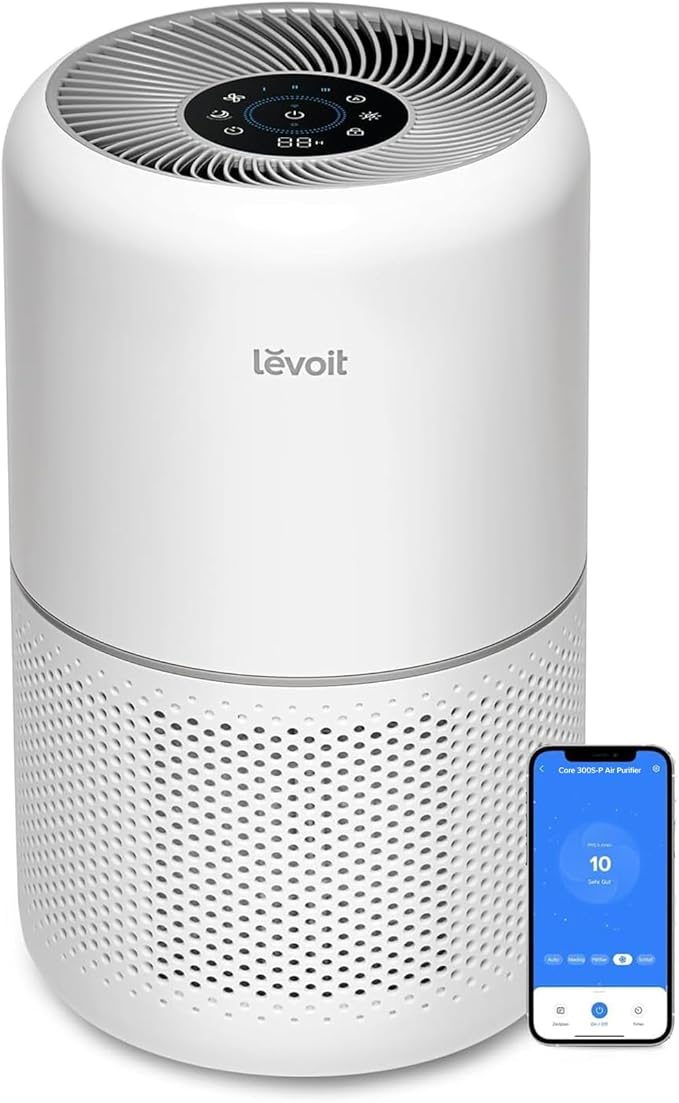
Levoit Core 300S
Budget
Check price
Compact air purifier with H13 HEPA filter for small to medium rooms.
View on Amazon →
Levoit Vital 200S
Budget
Check price
Smart air purifier with app control and auto mode for allergies.
View on Amazon →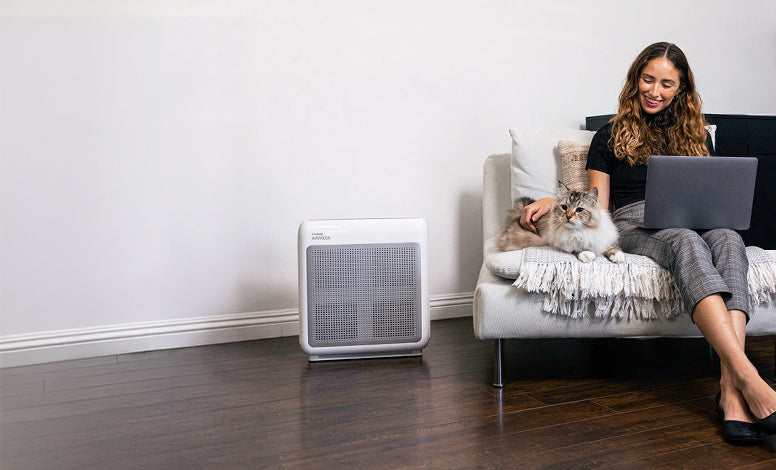
Coway Airmega 400
Premium
Check price
Advanced ionization with dual-sided air intake for large rooms.
View on Amazon →
Dyson Purifier Cool
Premium
Check price
Combines air purification with cooling fan function.
View on Amazon →
Winix 5510
Mid-Range
Check price
Successor to the 5500-2 with True HEPA, carbon filtration, PlasmaWave, and app support.
View on Amazon →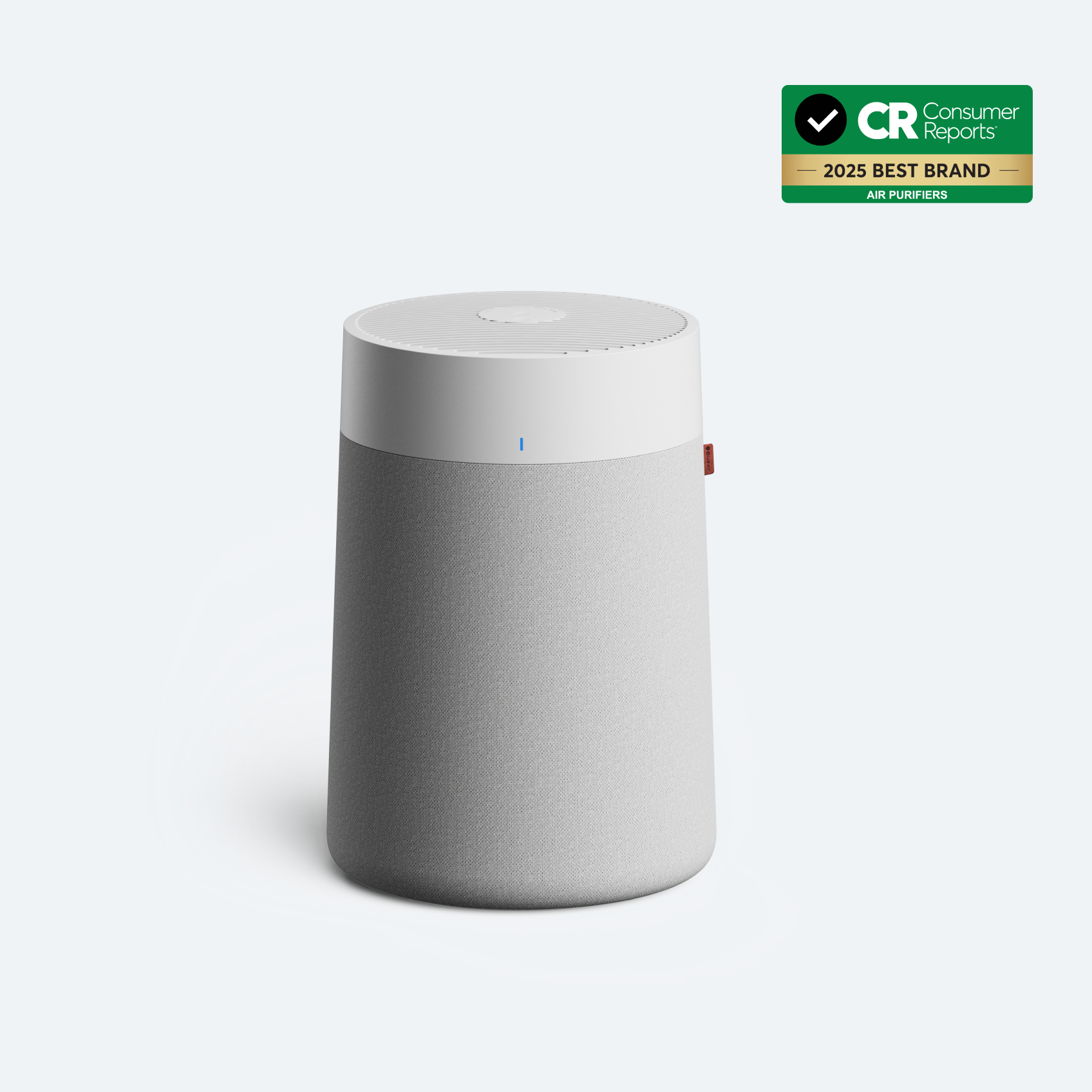
Blueair Blue Pure 211+
Mid-Range
Check price
Swedish design with high CADR and quiet operation.
View on Amazon →
Honeywell HPA300
Mid-Range
Check price
Reliable HEPA filtration with three cleaning levels.
View on Amazon →

Alen BreatheSmart 75i
Premium
Check price
Whisper-quiet premium purifier for large spaces.
View on Amazon →
Molekule Air Pro
Premium
Check price
Advanced photoelectrochemical oxidation technology.
View on Amazon →
GermGuardian AC5250PT
Budget
Check price
Compact with germicidal UV-C light technology.
View on Amazon →

Levoit Air Purifier Pro
Mid-Range
Check price
Smart WiFi enabled with real-time air quality monitoring.
View on Amazon →
Airthings Renew Air Purifier
Smart
Check price
For bedrooms where you want to see the air quality, not guess. Built-in particulate and humidity sensors with an auto mode that ramps with the room. HEPA handles fine particles down to PM1. The catch: no carbon stage, so it does little for odors or gases.
Buy Direct →
Austin Air HealthMate
Premium
Check price
If you deal with smoke, chemicals, or strong odors, this is the heavy hitter. Medical-grade HEPA plus 15 lbs of activated carbon and zeolite, rated for rooms up to 1500 sq ft, with filters that last about 5 years. You pay for it in price and weight.
Buy Direct →
AirFree P2000
Filterless
Check price
A filterless purifier that heats incoming air to destroy mold, bacteria, and dust mites, so there is nothing to replace and no filter cost. The tradeoff is real: it does not capture dust or large allergens the way a HEPA unit does, so pair it with one if particles are your problem.
Buy Direct →
EyeVac Air Touchless Vacuum and Air Purifier
Specialty
Check price
A floor vacuum and air purifier in one, made for entryways and pet areas. Sweep debris to the touchless sensor base and it pulls it in, while the HEPA side handles airborne dust. As a pure air purifier, a dedicated HEPA unit moves more air for the money.
Buy Direct →