Do Air Purifiers Remove VOCs?
The Direct Answer
HEPA filters do not remove VOCs. HEPA is a mechanical filter — it captures particles (dust, pollen, pet dander, mold spores, smoke particles). VOCs (volatile organic compounds) are gases, not particles, and they pass through HEPA fiber without being captured.
Activated carbon filters adsorb VOCs. Carbon has a porous surface structure that traps gas molecules through a process called adsorption. When VOC molecules pass through an activated carbon bed, they bind to the surface and are removed from the air.
The catch: how much carbon is in the filter determines how effective VOC removal actually is.
The Carbon Weight Problem
Most air purifiers marketed as having "carbon filters" or "odor filters" contain between 1 and 4 ounces of activated carbon — usually a thin layer of carbon granules bonded to a fabric pre-filter or a paper honeycomb sheet. This amount of carbon:
- Effectively reduces common household odors (cooking smells, bathroom odors, mild pet odors) — the molecules that cause these smells adsorb readily onto carbon
- Provides limited reduction of formaldehyde, benzene, and other low-concentration VOCs over the short term
- Saturates relatively quickly (weeks to months with continuous VOC exposure) and stops providing VOC reduction
For meaningful VOC removal — formaldehyde from new furniture or flooring, benzene from attached garages, chemical fumes from cleaning products or hobbies — you need substantially more carbon. The benchmark from industrial air quality work is roughly 10-15 pounds of activated carbon for sustained reduction of VOCs in a residential space.
Carbon Content by Product Tier
**Budget/standard HEPA purifiers ($80-250)**: 1-4 oz of carbon. Adequate for odors, not for chemical VOC reduction. The Coway AP-1512HH, Winix 5500-2, and Levoit Core series all fall here.
**Mid-tier with enhanced carbon ($250-500)**: Some units (Alen BreatheSmart, Blueair 605) have more substantial carbon layers, around 4-8 oz. Better than standard, still limited for high-VOC environments.
**Purpose-built VOC purifiers ($500+)**: The Austin Air HealthMate contains 15 lbs of activated carbon and zeolite. The IQAir GC MultiGas contains 12 lbs of custom-blend carbon. These units provide sustained, meaningful VOC reduction. The tradeoff: high cost, heavy units, filters replaced every 3-5 years at $200-300.
Common VOC Sources and What Actually Works
**New furniture, flooring, and carpets (off-gassing formaldehyde)**: The most effective approach is source control — ventilate the space aggressively when the furniture is new, leave windows open when possible, and let the off-gassing peak pass (usually the first 2-6 weeks). A 15-lb carbon unit helps during this period; a 2-oz carbon filter does not.
**Paint and finishing products**: Open windows and use exhaust fans during and for several hours after painting. No residential air purifier handles acute paint fume concentrations — the volume of VOCs is too high. For residual odor after ventilation, a standard carbon filter is adequate.
**Cooking odors (alcohols, aldehydes from high-heat cooking)**: Standard carbon filters in HEPA units handle this adequately, combined with a range hood. The range hood is more effective than any purifier for acute cooking events.
**Attached garage VOC transfer (benzene, toluene from vehicles)**: This is a serious indoor air quality issue. The source is a car running in or near the garage. Source control (not idling cars in attached garages, weatherstripping the door between garage and living space) is the primary intervention. A purpose-built carbon purifier is a secondary measure.
**Tobacco and cannabis smoke**: Carbon filters reduce the chemical components of smoke, HEPA captures the particulate matter. Combined HEPA+carbon in a properly sized unit reduces both. This is one case where a standard purifier with both filter types provides meaningful improvement.
The Honest Guidance
If VOC control is your primary concern, a standard HEPA purifier with a thin carbon layer is not the right tool. Source control (ventilation, removing the VOC source, substituting lower-emission materials) is more effective than filtration for most VOC problems.
If you need sustained VOC reduction for an enclosed space without strong source control options, a purpose-built carbon purifier (Austin Air, IQAir GC MultiGas) is the right category — budget accordingly for both the unit and the periodic filter replacement.
If your concern is general odor control and you are not dealing with formaldehyde off-gassing or chemical fumes, a standard HEPA purifier with a carbon layer does the job adequately.
Affiliate Disclosure
Clean Air Picks participates in the Amazon Associates program. We earn a small commission from purchases made through our links at no additional cost to you. This helps us maintain and improve our site while providing honest, unbiased reviews.
Recommended Products
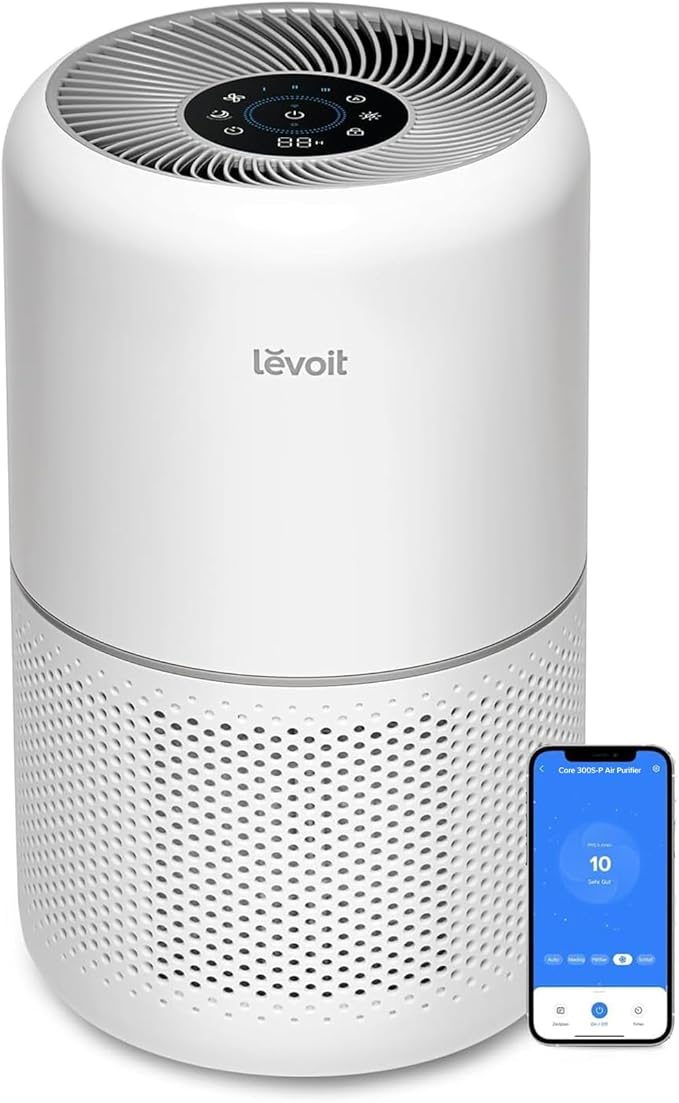
Levoit Core 300S
Budget
Check price
Compact air purifier with H13 HEPA filter for small to medium rooms.
View on Amazon →
Levoit Vital 200S
Budget
Check price
Smart air purifier with app control and auto mode for allergies.
View on Amazon →
Coway Airmega 400
Premium
Check price
Advanced ionization with dual-sided air intake for large rooms.
View on Amazon →
Dyson Purifier Cool
Premium
Check price
Combines air purification with cooling fan function.
View on Amazon →
Winix 5510
Mid-Range
Check price
Successor to the 5500-2 with True HEPA, carbon filtration, PlasmaWave, and app support.
View on Amazon →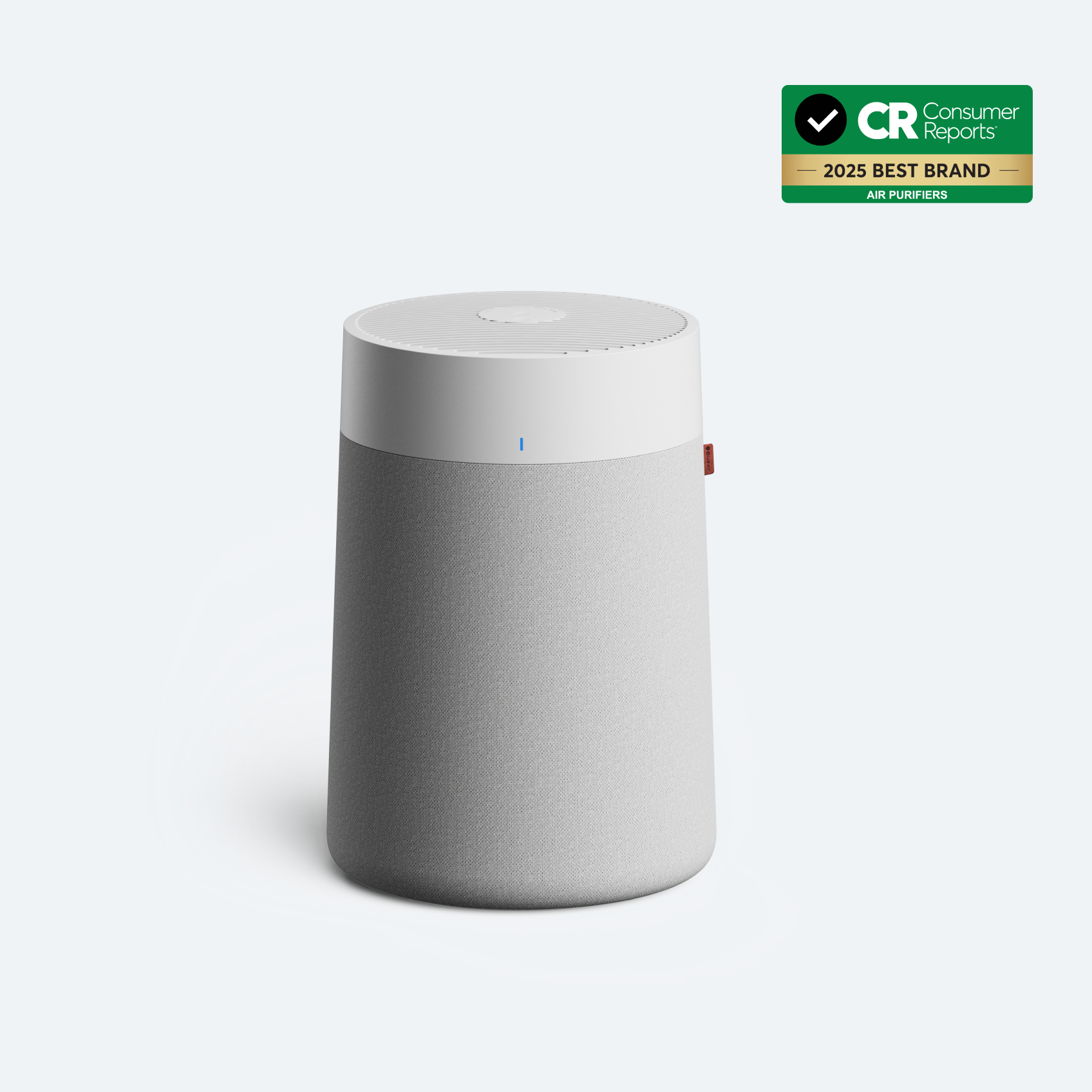
Blueair Blue Pure 211+
Mid-Range
Check price
Swedish design with high CADR and quiet operation.
View on Amazon →
Honeywell HPA300
Mid-Range
Check price
Reliable HEPA filtration with three cleaning levels.
View on Amazon →

Alen BreatheSmart 75i
Premium
Check price
Whisper-quiet premium purifier for large spaces.
View on Amazon →
Molekule Air Pro
Premium
Check price
Advanced photoelectrochemical oxidation technology.
View on Amazon →
GermGuardian AC5250PT
Budget
Check price
Compact with germicidal UV-C light technology.
View on Amazon →

Levoit Air Purifier Pro
Mid-Range
Check price
Smart WiFi enabled with real-time air quality monitoring.
View on Amazon →
Airthings Renew Air Purifier
Smart
Check price
For bedrooms where you want to see the air quality, not guess. Built-in particulate and humidity sensors with an auto mode that ramps with the room. HEPA handles fine particles down to PM1. The catch: no carbon stage, so it does little for odors or gases.
Buy Direct →
Austin Air HealthMate
Premium
Check price
If you deal with smoke, chemicals, or strong odors, this is the heavy hitter. Medical-grade HEPA plus 15 lbs of activated carbon and zeolite, rated for rooms up to 1500 sq ft, with filters that last about 5 years. You pay for it in price and weight.
Buy Direct →
AirFree P2000
Filterless
Check price
A filterless purifier that heats incoming air to destroy mold, bacteria, and dust mites, so there is nothing to replace and no filter cost. The tradeoff is real: it does not capture dust or large allergens the way a HEPA unit does, so pair it with one if particles are your problem.
Buy Direct →
EyeVac Air Touchless Vacuum and Air Purifier
Specialty
Check price
A floor vacuum and air purifier in one, made for entryways and pet areas. Sweep debris to the touchless sensor base and it pulls it in, while the HEPA side handles airborne dust. As a pure air purifier, a dedicated HEPA unit moves more air for the money.
Buy Direct →