How to Reduce Indoor Air Pollution: Source Control First
The Right Order of Operations
The EPA's hierarchy for indoor air quality: source control first, then ventilation, then filtration. An air purifier is the most visible tool but the least efficient intervention. Running a purifier while the source continues operating is like bailing a boat without plugging the hole.
Work through this order: eliminate or reduce the source, then improve ventilation, then add filtration for what remains.
Step 1: Source Control
Identify what is generating the pollution and reduce it at the source.
**Cooking**: High-heat cooking produces significant PM2.5, VOCs, and CO. Use the range hood every time you cook — even low-heat cooking releases aerosols. Keep the hood filter clean (grease buildup reduces airflow significantly). If your hood does not exhaust to the outside, it recirculates and adds very little benefit.
**Cleaning products**: Spray cleaners aerosolize VOCs directly into breathing air. Substitute: microfiber cloths with water for most surfaces, diluted vinegar or unscented soap where cleaning product is needed. Avoid aerosol sprays in enclosed spaces.
**Furniture and flooring off-gassing**: New pressed-wood furniture, vinyl flooring, and carpet release formaldehyde and other VOCs for weeks to months after installation. Ventilate aggressively during the first 1-3 months (open windows when outdoor air quality is good). Choose low-VOC or solid wood furniture where budget allows.
**Tobacco and cannabis smoke**: No air purifier eliminates this adequately. Smoke outdoors and do not re-enter for 10-15 minutes. Smoking near open windows does not contain the smoke indoors effectively.
**Candles and incense**: Paraffin candles release benzene and toluene when burning. Incense produces significant particulate. If you use these, ventilate during and for 30 minutes after.
**Attached garage**: Vehicle exhaust and stored chemicals (gasoline, paints, pesticides) infiltrate into living space through shared walls and door gaps. Park vehicles outside when possible, or open the garage door and ventilate before entering the home through the garage. Seal the door between garage and living space with weatherstripping.
Step 2: Ventilation
Ventilation dilutes indoor pollutants by bringing in outdoor air. It is only beneficial when outdoor AQI is lower than indoor levels.
**Open windows strategically**: On days with outdoor AQI below 50, open windows for 15-30 minutes per day minimum. This flushes accumulated CO2, VOCs, and particulates that have built up in the occupied space.
**Bathroom and kitchen exhaust fans**: Run the kitchen exhaust during cooking and for 15 minutes after. Run the bathroom exhaust during and 15 minutes after showers to reduce moisture (which prevents mold).
**HVAC with outdoor air intake**: If your HVAC system has a fresh air intake, verify it is working and the damper is open. Many homes have an intake that was installed but not connected, or has a stuck closed damper.
Step 3: Filtration
Once source control and ventilation are addressed, filtration handles residual particles.
**HVAC filter upgrade**: Replace standard 1-inch HVAC filters (MERV 4-8) with MERV 13 filters. MERV 13 captures PM2.5 and smaller allergens. Note: MERV 13 adds airflow resistance — check your HVAC manufacturer's guidance before upgrading to ensure the system can handle it. Most residential systems built after 2010 can.
**Portable air purifier**: Sized for the room (CADR = 2/3 × room square footage at minimum, ideally 1:1 or better for sensitive individuals). Place near the dominant pollution source, not in a corner.
Quick Source-to-Solution Reference
| Source | First Fix | Filtration Type Needed |
|---|---|---|
| Cooking | Range hood + ventilation | HEPA + carbon |
| Dust and dander | Vacuum with HEPA bag, wash bedding weekly | HEPA |
| Mold | Fix moisture source, clean affected area | HEPA |
| VOCs (furniture, flooring) | Ventilate heavily in first 3 months | Carbon (heavy weight) |
| Wildfire smoke | Seal gaps, MERV 13 HVAC | HEPA |
| Pet allergens | Regular pet grooming, vacuum frequency | H13 HEPA |
Affiliate Disclosure
Clean Air Picks participates in the Amazon Associates program. We earn a small commission from purchases made through our links at no additional cost to you. This helps us maintain and improve our site while providing honest, unbiased reviews.
Recommended Products
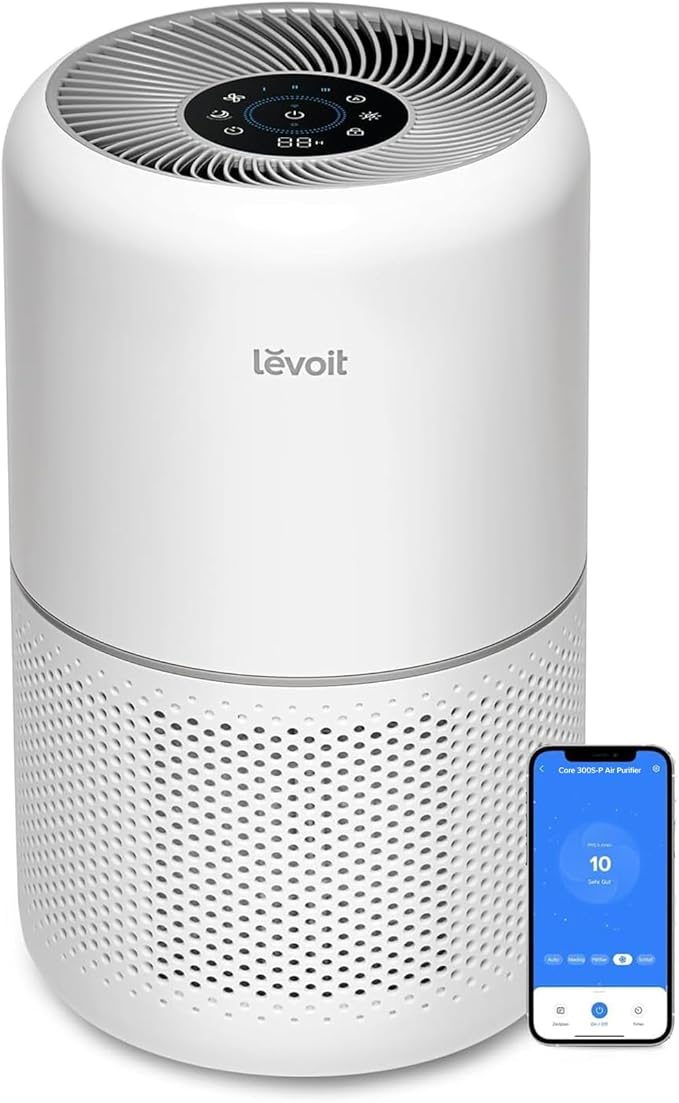
Levoit Core 300S
Budget
Check price
Compact air purifier with H13 HEPA filter for small to medium rooms.
View on Amazon →
Levoit Vital 200S
Budget
Check price
Smart air purifier with app control and auto mode for allergies.
View on Amazon →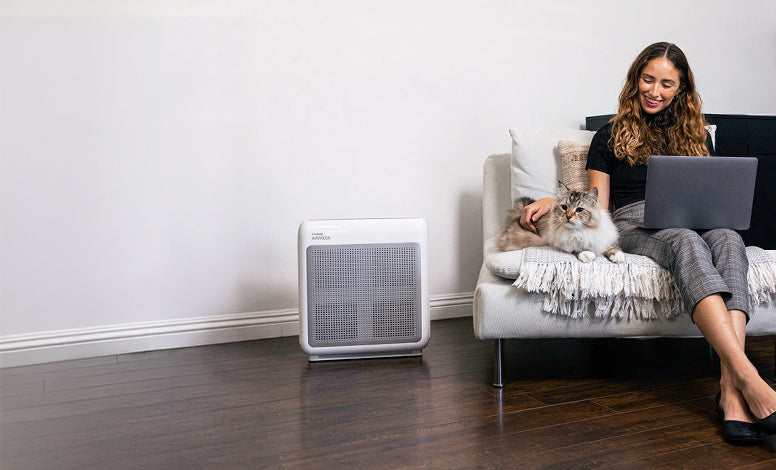
Coway Airmega 400
Premium
Check price
Advanced ionization with dual-sided air intake for large rooms.
View on Amazon →
Dyson Purifier Cool
Premium
Check price
Combines air purification with cooling fan function.
View on Amazon →
Winix 5510
Mid-Range
Check price
Successor to the 5500-2 with True HEPA, carbon filtration, PlasmaWave, and app support.
View on Amazon →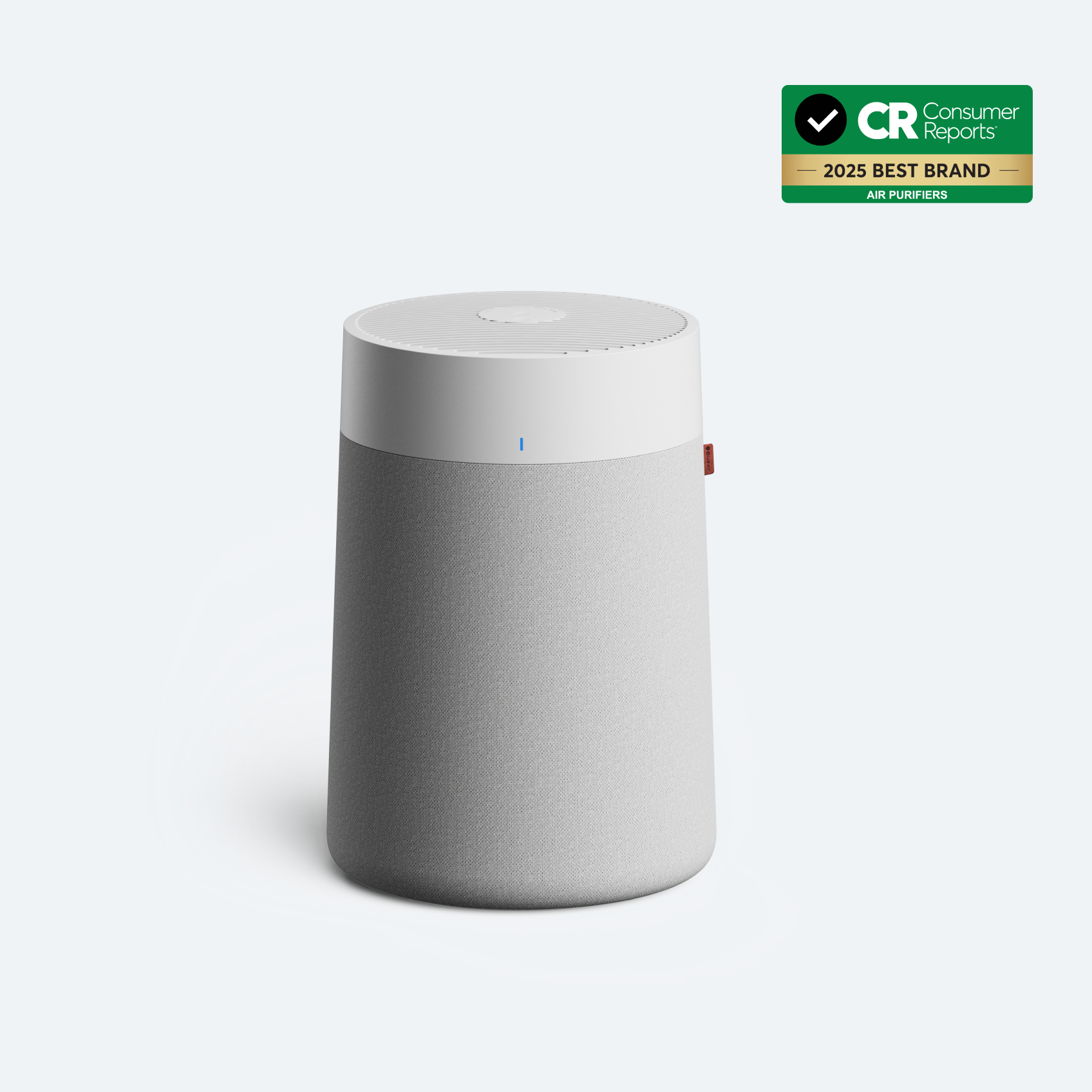
Blueair Blue Pure 211+
Mid-Range
Check price
Swedish design with high CADR and quiet operation.
View on Amazon →
Honeywell HPA300
Mid-Range
Check price
Reliable HEPA filtration with three cleaning levels.
View on Amazon →

Alen BreatheSmart 75i
Premium
Check price
Whisper-quiet premium purifier for large spaces.
View on Amazon →
Molekule Air Pro
Premium
Check price
Advanced photoelectrochemical oxidation technology.
View on Amazon →
GermGuardian AC5250PT
Budget
Check price
Compact with germicidal UV-C light technology.
View on Amazon →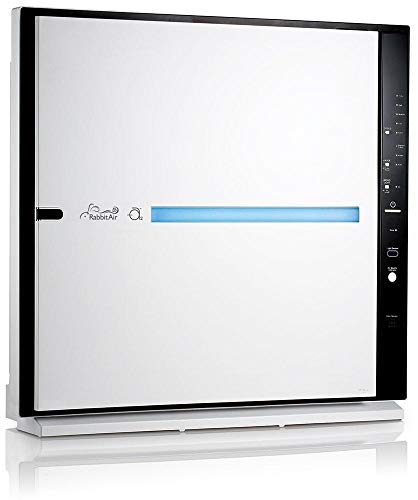

Levoit Air Purifier Pro
Mid-Range
Check price
Smart WiFi enabled with real-time air quality monitoring.
View on Amazon →
Airthings Renew Air Purifier
Smart
Check price
For bedrooms where you want to see the air quality, not guess. Built-in particulate and humidity sensors with an auto mode that ramps with the room. HEPA handles fine particles down to PM1. The catch: no carbon stage, so it does little for odors or gases.
Buy Direct →
Austin Air HealthMate
Premium
Check price
If you deal with smoke, chemicals, or strong odors, this is the heavy hitter. Medical-grade HEPA plus 15 lbs of activated carbon and zeolite, rated for rooms up to 1500 sq ft, with filters that last about 5 years. You pay for it in price and weight.
Buy Direct →
AirFree P2000
Filterless
Check price
A filterless purifier that heats incoming air to destroy mold, bacteria, and dust mites, so there is nothing to replace and no filter cost. The tradeoff is real: it does not capture dust or large allergens the way a HEPA unit does, so pair it with one if particles are your problem.
Buy Direct →
EyeVac Air Touchless Vacuum and Air Purifier
Specialty
Check price
A floor vacuum and air purifier in one, made for entryways and pet areas. Sweep debris to the touchless sensor base and it pulls it in, while the HEPA side handles airborne dust. As a pure air purifier, a dedicated HEPA unit moves more air for the money.
Buy Direct →