Indoor Air Quality Myths Debunked
Myth 1: Houseplants Improve Indoor Air Quality
**The claim**: NASA research showed plants can remove VOCs from air. Put plants in your home and breathe cleaner air.
**The reality**: The 1989 NASA study was conducted in sealed biospheres — controlled chambers with no air exchange. In a real home, the air exchange rate is far too high for plants to have a measurable effect. A 2019 analysis published in the Journal of Exposure Science and Environmental Epidemiology calculated that you would need 680 plants per 10 square feet to meaningfully reduce indoor VOC concentrations.
Plants are pleasant. They do not clean the air in any practical sense.
Myth 2: Fresh Air Is Always Better Than Indoor Air
**The claim**: Open the windows to get fresh air.
**The reality**: This is situationally true. When outdoor AQI is low (below 50), opening windows is excellent ventilation. When outdoor AQI is above 100 due to wildfire smoke, pollen events, or high ozone days, opening windows brings polluted air inside. During high-AQI events, a sealed home with a running air purifier has significantly better air than an open-window home.
Check AirNow.gov before deciding to ventilate.
Myth 3: Air Purifiers Remove All Air Pollutants
**The claim**: An air purifier cleans the air in your home.
**The reality**: Air purifiers with HEPA filters remove particulate matter. Those with activated carbon remove some gases and odors. Neither captures everything. Specific pollutants that standard HEPA/carbon purifiers do not address well:
- Radon (a radioactive gas; requires dedicated mitigation)
- Carbon monoxide (a combustion gas; requires a CO detector and source removal)
- Formaldehyde and high-VOC events (require high-weight carbon or purpose-built VOC filtration)
- Ozone from outdoor events (standard carbon captures some but not enough during AQI events)
No single device solves all indoor air quality problems.
Myth 4: Indoor Air Quality Is Not a Serious Health Issue
**The claim**: The real pollution is outside.
**The reality**: The EPA estimates Americans spend 90% of their time indoors. Indoor air often contains 2-5 times the pollutant concentrations of outdoor air, sourced from cooking, cleaning products, off-gassing materials, mold, and HVAC systems. The World Health Organization classifies indoor air pollution as one of the top environmental health risks globally.
Myth 5: HEPA-Type and HEPA-Style Filters Are the Same as True HEPA
**The claim**: The filter says "HEPA" so it meets HEPA standards.
**The reality**: "True HEPA" or "H11/H12/H13 HEPA" have defined filtration standards (99.97% capture at 0.3 microns for True HEPA). "HEPA-type," "HEPA-style," and "HEPA-like" are marketing terms with no defined standard. These filters may capture 85-90% of particles at 0.3 microns, which is significantly worse than True HEPA — particularly for fine smoke particles and dander fragments.
If allergen reduction or wildfire smoke protection is the goal, True HEPA is the minimum standard.
Myth 6: Running an Air Purifier for an Hour Cleans the Room
**The claim**: Run your purifier for an hour when you want clean air.
**The reality**: Air purifiers must run continuously to maintain clean air in a room. Every time a door opens, someone enters, or cooking occurs, particle concentrations rise again. A purifier running continuously provides meaningful long-term particle load reduction. Running intermittently for an hour is better than nothing but provides only temporary improvement.
Myth 7: Ozone Generators Are Good for Air Purification
**The claim**: Ozone breaks down pollutants and kills mold, bacteria, and odors.
**The reality**: Ozone generators produce ozone (O3) at concentrations that are harmful to breathe. CARB and EPA both warn against residential ozone generator use. Ozone irritates the respiratory tract, worsens asthma, and reacts with household chemicals to produce formaldehyde and other secondary pollutants. The California Air Resources Board prohibits the sale of ozone-generating air cleaners in California for this reason. They are not recommended under any residential IAQ guideline.
Affiliate Disclosure
Clean Air Picks participates in the Amazon Associates program. We earn a small commission from purchases made through our links at no additional cost to you. This helps us maintain and improve our site while providing honest, unbiased reviews.
Recommended Products
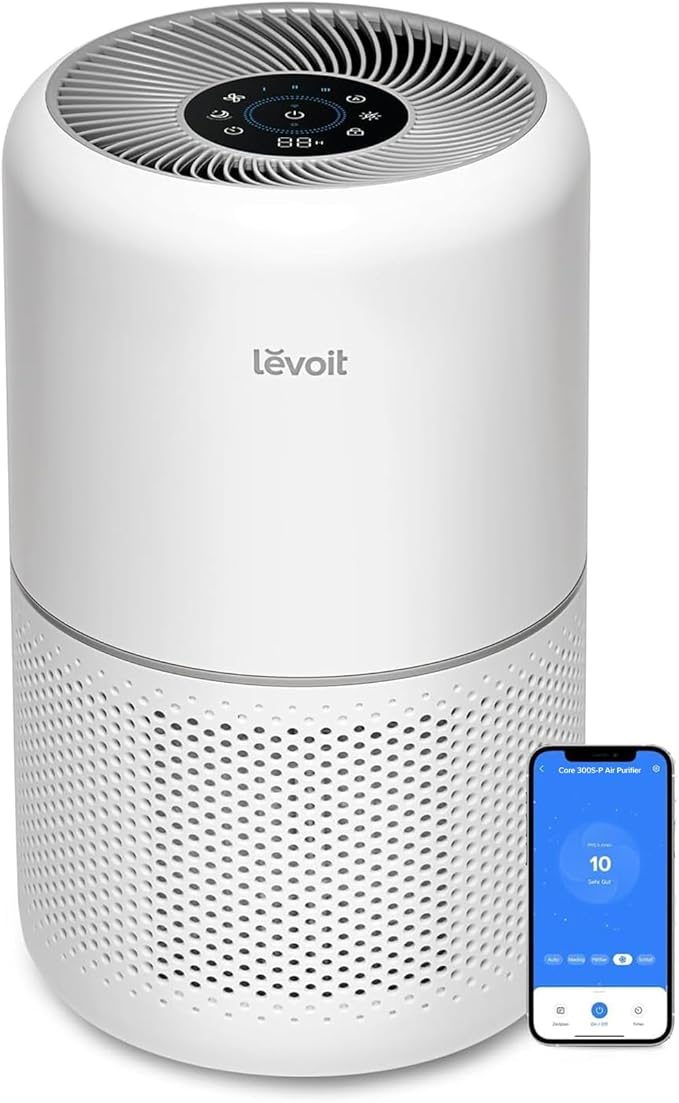
Levoit Core 300S
Budget
Check price
Compact air purifier with H13 HEPA filter for small to medium rooms.
View on Amazon →
Levoit Vital 200S
Budget
Check price
Smart air purifier with app control and auto mode for allergies.
View on Amazon →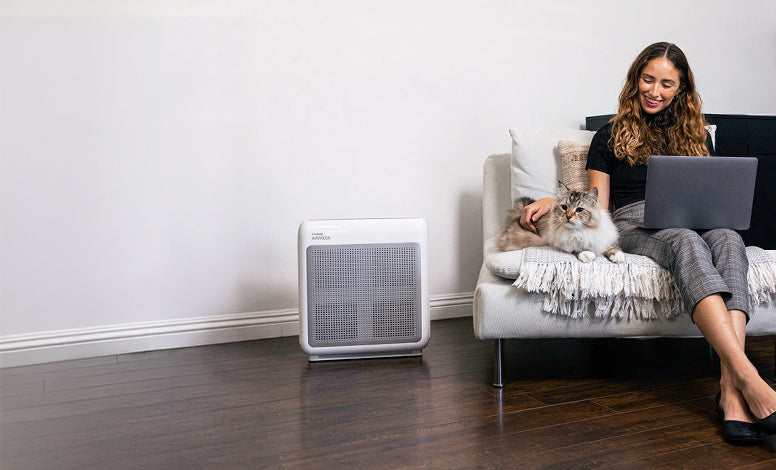
Coway Airmega 400
Premium
Check price
Advanced ionization with dual-sided air intake for large rooms.
View on Amazon →
Dyson Purifier Cool
Premium
Check price
Combines air purification with cooling fan function.
View on Amazon →
Winix 5510
Mid-Range
Check price
Successor to the 5500-2 with True HEPA, carbon filtration, PlasmaWave, and app support.
View on Amazon →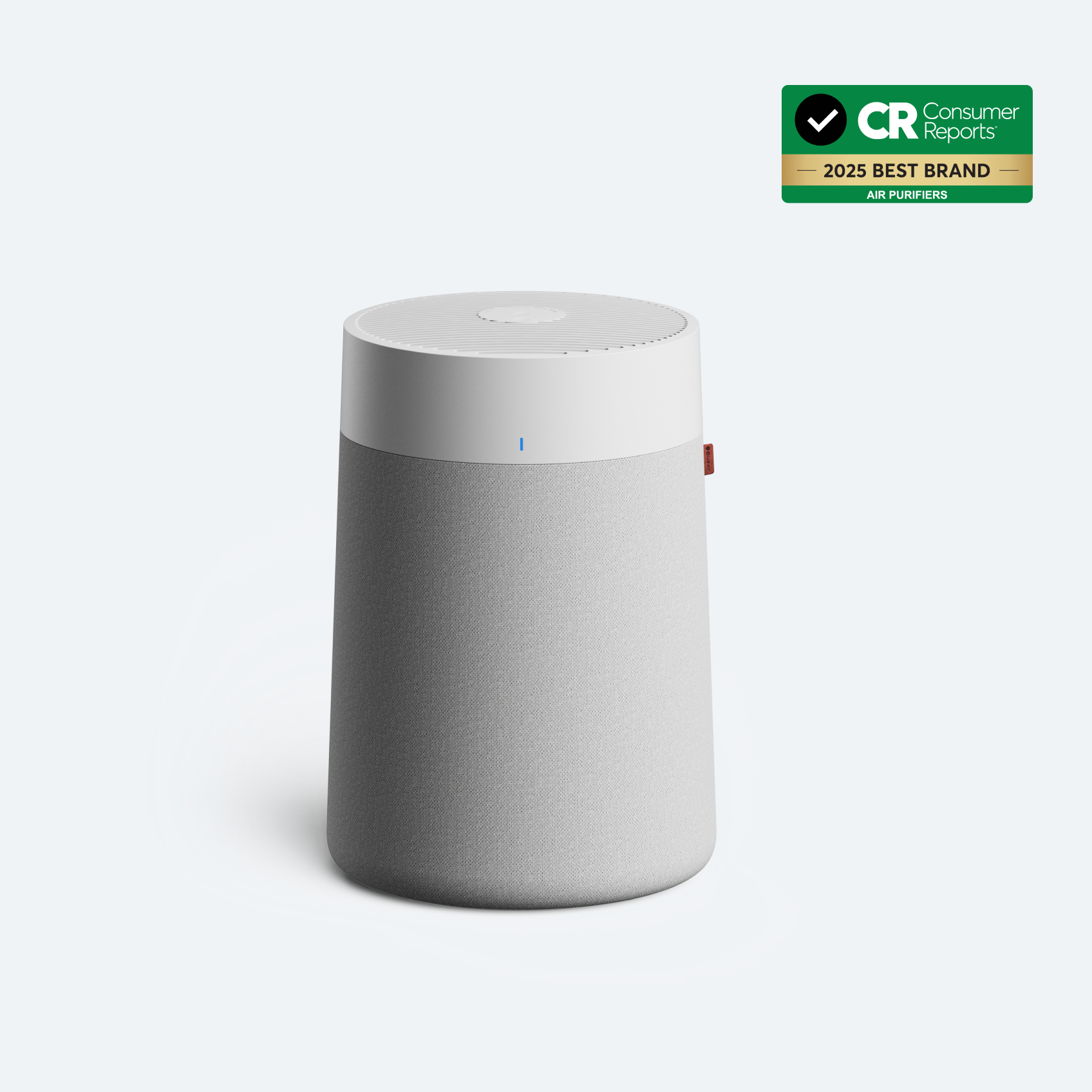
Blueair Blue Pure 211+
Mid-Range
Check price
Swedish design with high CADR and quiet operation.
View on Amazon →
Honeywell HPA300
Mid-Range
Check price
Reliable HEPA filtration with three cleaning levels.
View on Amazon →

Alen BreatheSmart 75i
Premium
Check price
Whisper-quiet premium purifier for large spaces.
View on Amazon →
Molekule Air Pro
Premium
Check price
Advanced photoelectrochemical oxidation technology.
View on Amazon →
GermGuardian AC5250PT
Budget
Check price
Compact with germicidal UV-C light technology.
View on Amazon →

Levoit Air Purifier Pro
Mid-Range
Check price
Smart WiFi enabled with real-time air quality monitoring.
View on Amazon →
Airthings Renew Air Purifier
Smart
Check price
For bedrooms where you want to see the air quality, not guess. Built-in particulate and humidity sensors with an auto mode that ramps with the room. HEPA handles fine particles down to PM1. The catch: no carbon stage, so it does little for odors or gases.
Buy Direct →
Austin Air HealthMate
Premium
Check price
If you deal with smoke, chemicals, or strong odors, this is the heavy hitter. Medical-grade HEPA plus 15 lbs of activated carbon and zeolite, rated for rooms up to 1500 sq ft, with filters that last about 5 years. You pay for it in price and weight.
Buy Direct →
AirFree P2000
Filterless
Check price
A filterless purifier that heats incoming air to destroy mold, bacteria, and dust mites, so there is nothing to replace and no filter cost. The tradeoff is real: it does not capture dust or large allergens the way a HEPA unit does, so pair it with one if particles are your problem.
Buy Direct →
EyeVac Air Touchless Vacuum and Air Purifier
Specialty
Check price
A floor vacuum and air purifier in one, made for entryways and pet areas. Sweep debris to the touchless sensor base and it pulls it in, while the HEPA side handles airborne dust. As a pure air purifier, a dedicated HEPA unit moves more air for the money.
Buy Direct →