Smart Air Purifiers With Air Quality Sensors: What to Look For
What "Smart" Actually Means in an Air Purifier
Smart air purifiers typically combine two features: a built-in air quality sensor that adjusts fan speed automatically, and Wi-Fi or Bluetooth connectivity for app control and historical data. These are separate features that often come bundled but can be evaluated independently.
The sensor is the more important of the two. Auto mode is useful only if the sensor is accurate — if the sensor can not reliably detect pollution events, auto mode is not better than running the unit at a fixed medium speed.
Types of Built-In Sensors
**Laser particle sensors (LPS)**: The most accurate option available in consumer air purifiers. A laser counts particles by detecting how scattered light patterns change as particles pass through the beam. LPS sensors detect PM2.5 reliably down to about 0.3 microns. These are the same sensor technology used in consumer IAQ monitors like the Awair Element.
Models with LPS: Coway Airmega 400, 400S; Levoit Core 600S; Blueair Blue Pure 211i+; Winix 5500-2.
**Infrared particle sensors**: Use infrared light instead of a laser. Less accurate than LPS at low concentrations and for smaller particles. More susceptible to drift over time as the sensor accumulates dust. Adequate for detecting significant pollution events (cooking, visible smoke) but less reliable for low-level PM2.5 changes.
**VOC/gas sensors (MOS)**: Metal oxide semiconductor sensors detect VOCs by measuring resistance change when gas molecules contact a heated metal oxide surface. These give relative readings — they detect that VOC levels rose above baseline but cannot tell you the concentration or which VOC it is. They are useful for detecting cooking events or a new furniture off-gassing peak, but cannot be used for absolute VOC measurement.
Auto Mode Behavior: What to Expect
A well-calibrated auto mode ramps fan speed within seconds of detecting a PM2.5 increase, holds at elevated speed until particle concentrations return to baseline, then ramps down. This is the behavior you want.
Common problems with auto mode in practice:
- **Oversensitivity**: The fan ramps to max for minor events (someone walking through) and runs loud when it is unnecessary
- **Delayed response**: Some units average sensor readings over several minutes to avoid false positives, which means a cooking spike may not trigger a response for 5-10 minutes
- **Eco mode interference**: Coway's Eco mode turns the fan off entirely during low-pollution periods; useful for electricity savings but delays response to new events
For most households, auto mode is the right default. Adjust sensitivity settings (if available) if you find the unit running at max speed too frequently.
App Features Worth Having
**Historical air quality graphs**: Lets you see when pollution peaks occur in your home (typically during cooking, morning traffic, or at specific times of day). This is useful for identifying high-risk windows and informing behavior change.
**Remote control**: Useful for starting the purifier before arriving home or turning it up during a cooking event from another room.
**Filter life tracking**: Estimates remaining filter life based on usage and sensor data. More useful than a simple calendar timer.
App Features That Do Not Add Much
**Smart home integration** (Alexa, Google Home): Useful if you already have a smart home ecosystem. Adds complexity without meaningful air quality benefit.
**Color-coded air quality displays**: Most units have a light ring that changes color (green/yellow/red) based on sensor readings. This works as a real-time indicator without needing the app open.
Models With the Best Sensor Implementation
**Coway Airmega 400S**: Laser PM2.5 sensor with solid auto mode response time. App shows PM2.5 trend. Eco mode is off by default. The reference implementation for this category.
**Levoit Core 600S**: Laser sensor, fast auto mode, comprehensive app with detailed history. Good Wi-Fi implementation with no hub required.
**Winix 5500-2**: Infrared sensor (not laser) but the PlasmaWave mode can be disabled. Auto mode behavior is reliable despite the less precise sensor. Strong choice if you prefer a non-app unit (the sensor and auto mode work without the app).
Affiliate Disclosure
Clean Air Picks participates in the Amazon Associates program. We earn a small commission from purchases made through our links at no additional cost to you. This helps us maintain and improve our site while providing honest, unbiased reviews.
Recommended Products
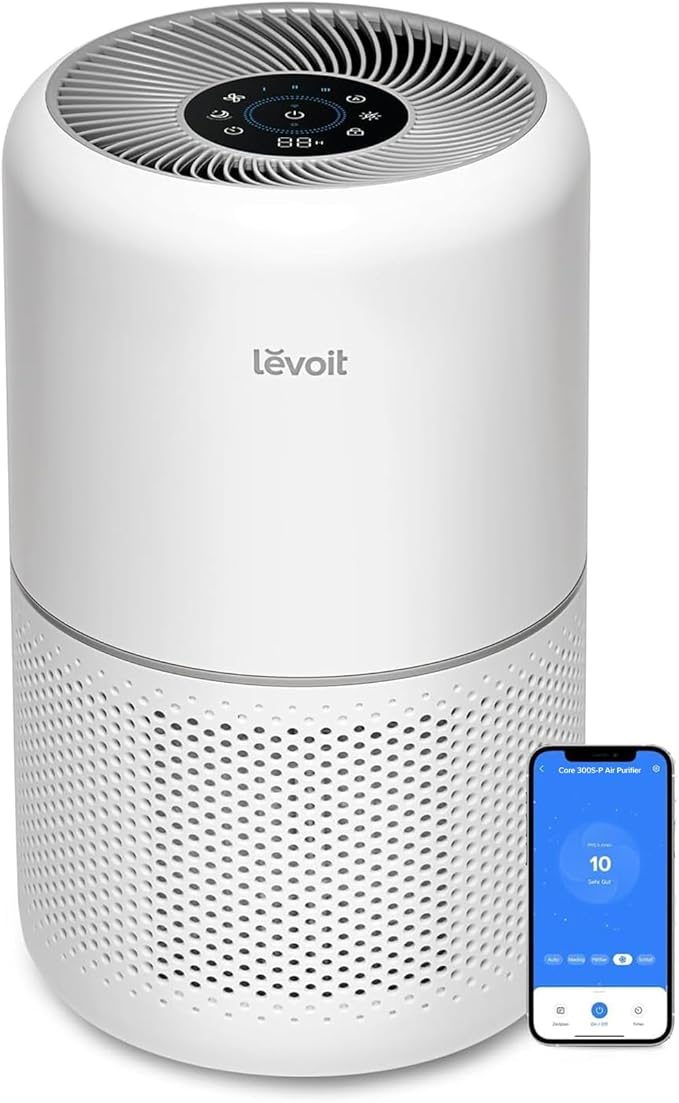
Levoit Core 300S
Budget
Check price
Compact air purifier with H13 HEPA filter for small to medium rooms.
View on Amazon →
Levoit Vital 200S
Budget
Check price
Smart air purifier with app control and auto mode for allergies.
View on Amazon →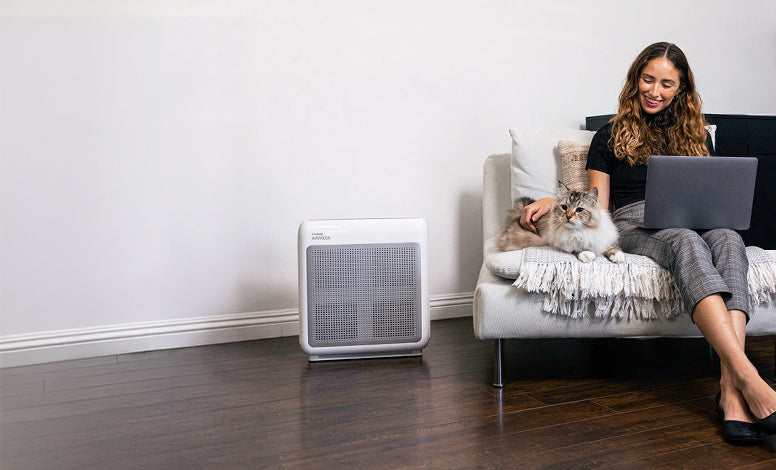
Coway Airmega 400
Premium
Check price
Advanced ionization with dual-sided air intake for large rooms.
View on Amazon →
Dyson Purifier Cool
Premium
Check price
Combines air purification with cooling fan function.
View on Amazon →
Winix 5510
Mid-Range
Check price
Successor to the 5500-2 with True HEPA, carbon filtration, PlasmaWave, and app support.
View on Amazon →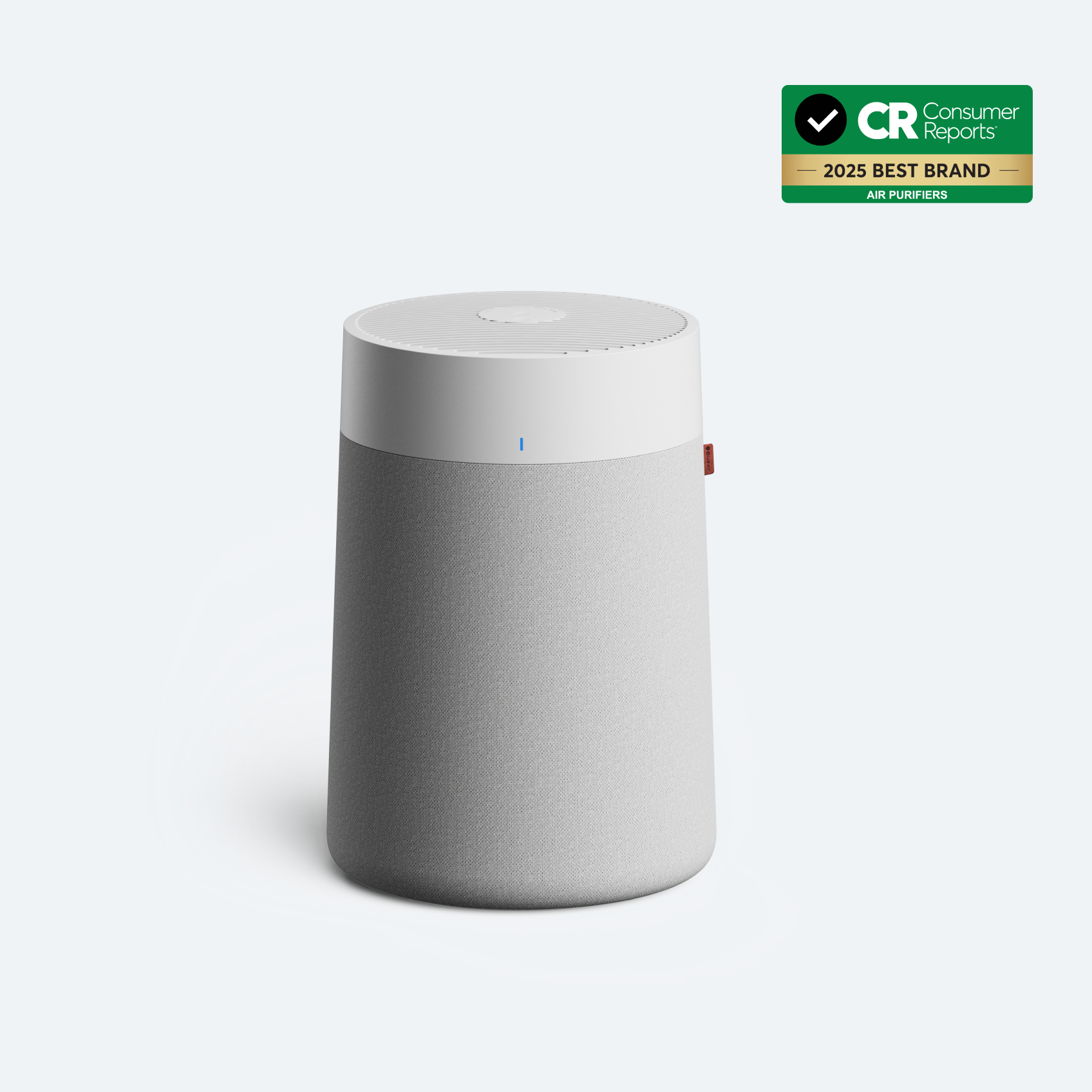
Blueair Blue Pure 211+
Mid-Range
Check price
Swedish design with high CADR and quiet operation.
View on Amazon →
Honeywell HPA300
Mid-Range
Check price
Reliable HEPA filtration with three cleaning levels.
View on Amazon →

Alen BreatheSmart 75i
Premium
Check price
Whisper-quiet premium purifier for large spaces.
View on Amazon →
Molekule Air Pro
Premium
Check price
Advanced photoelectrochemical oxidation technology.
View on Amazon →
GermGuardian AC5250PT
Budget
Check price
Compact with germicidal UV-C light technology.
View on Amazon →

Levoit Air Purifier Pro
Mid-Range
Check price
Smart WiFi enabled with real-time air quality monitoring.
View on Amazon →
Airthings Renew Air Purifier
Smart
Check price
For bedrooms where you want to see the air quality, not guess. Built-in particulate and humidity sensors with an auto mode that ramps with the room. HEPA handles fine particles down to PM1. The catch: no carbon stage, so it does little for odors or gases.
Buy Direct →
Austin Air HealthMate
Premium
Check price
If you deal with smoke, chemicals, or strong odors, this is the heavy hitter. Medical-grade HEPA plus 15 lbs of activated carbon and zeolite, rated for rooms up to 1500 sq ft, with filters that last about 5 years. You pay for it in price and weight.
Buy Direct →
AirFree P2000
Filterless
Check price
A filterless purifier that heats incoming air to destroy mold, bacteria, and dust mites, so there is nothing to replace and no filter cost. The tradeoff is real: it does not capture dust or large allergens the way a HEPA unit does, so pair it with one if particles are your problem.
Buy Direct →
EyeVac Air Touchless Vacuum and Air Purifier
Specialty
Check price
A floor vacuum and air purifier in one, made for entryways and pet areas. Sweep debris to the touchless sensor base and it pulls it in, while the HEPA side handles airborne dust. As a pure air purifier, a dedicated HEPA unit moves more air for the money.
Buy Direct →