Where to Place an Air Purifier in a Room
The Core Principle: Placement Near the Source
Air purifiers work by drawing contaminated air through a filter and returning clean air. Placing the unit far from the pollution source means the air has to travel across the room before it reaches the filter — during which time particles can settle on surfaces, enter the HVAC system, or reach your breathing zone first.
Place the purifier near the dominant pollution source in each room, not in the most convenient corner.
The Five Placement Rules
**1. 18-24 inches minimum from walls.** Most air purifiers have intake vents on the sides or back. Placing the unit against a wall restricts airflow into the intake, reducing effective CADR by 15-30% depending on the design. Floor models need clearance behind and on the sides; tower models need clearance around the entire circumference.
**2. Not in a corner.** Corners are airflow dead zones. Air naturally stratifies in corners rather than circulating, which means a purifier placed in a corner is recycling the same local air rather than pulling in room air from across the space.
**3. Elevated is usually better, but check the intake location first.** Most particles (dust, pet dander, pollen) settle toward the floor over time. Placing the purifier on a table or elevated surface puts the intake at the zone where particles are still airborne. However, units with bottom-intake designs (Coway Mighty, Winix 5500-2) are specifically designed for floor use — elevating these can restrict the floor-level intake. Check where your unit's intake is before deciding on height.
**4. Near the breathing zone for bedroom use.** For sleep, placing the purifier 2-3 feet from the head of the bed on the floor or nightstand level means the clean air output is in your breathing zone. Across-the-room placement is less effective for personal exposure even if it improves average room air quality.
**5. Avoid barriers in the airflow path.** Furniture, curtains, or rugs placed between the intake and the dominant pollution source redirect airflow and reduce effectiveness. If your layout requires a purifier near a curtain, try to position the intake facing away from it.
Room-Specific Guidance
Bedroom
Place on the floor or nightstand 2-4 feet from the head of the bed. If the bedroom door is left open at night, the intake should face the door (where air enters from the rest of the home). Avoid placing directly under the air vent if you have central air — the high-velocity airflow from the vent can disrupt the purifier's airflow pattern.
Living Room
Place near the most frequently used seating area. For open-plan spaces, the center of the room is better than against any wall, but the compromise between center placement and having somewhere to put the unit usually means 3-5 feet from the main sofa, off to the side where airflow is not blocked.
If you have pets, place near where they sleep or spend most time — that is where dander concentration is highest.
Kitchen
Near the cooking area, but positioned where it will not draw cooking fumes through the room before filtration. If the range is against the wall, place the purifier on the opposite counter or a cart positioned 3-4 feet away. Running the range hood first is more effective than any air purifier for acute cooking smoke — the purifier handles residual particles after cooking, not the immediate event.
Home Office
Near the desk, with the intake facing the room (not the wall behind you). For particulate control, this works well. If VOCs are a concern (off-gassing from furniture, printer emissions, cleaning products), the unit needs to be in the air circulation path from the VOC source to the purifier.
Open Plan / Large Spaces
One properly sized purifier in the center of the space is more effective than two undersized units in opposite corners. If you have to split coverage with two units, position them at opposite ends of the long dimension of the space to create cross-room airflow.
Common Mistakes
- **Blocking the output vent**: The clean air outlet is usually on top or front. Books, plants, or decorative items placed directly in front of the output vent reduce effective airflow significantly.
- **Placing in a closet or bathroom to "clean that air"**: Purifiers need airflow from the main living space to be effective. A closed bathroom with a purifier is just cycling the same air; it does not pull in bathroom-specific pollutants from the room.
- **Moving it when running**: Airflow patterns stabilize after the unit has been running in one position for several minutes. Moving the unit while running and expecting immediate results is not accurate — give it 10-15 minutes in a new position to assess effectiveness.
Affiliate Disclosure
Clean Air Picks participates in the Amazon Associates program. We earn a small commission from purchases made through our links at no additional cost to you. This helps us maintain and improve our site while providing honest, unbiased reviews.
Recommended Products
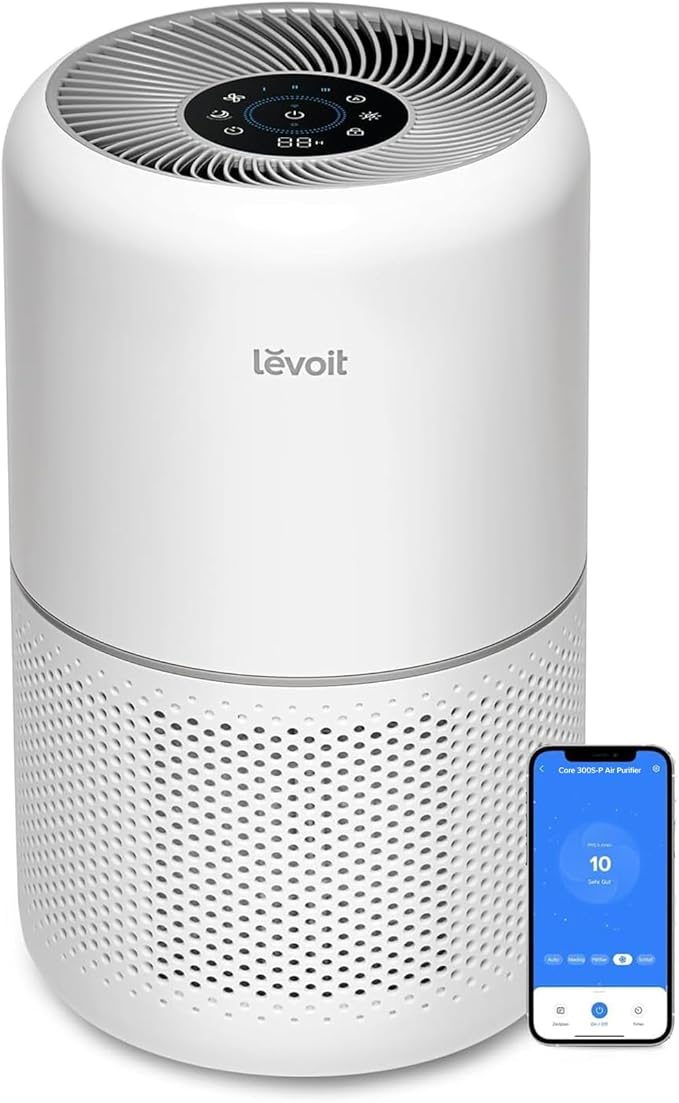
Levoit Core 300S
Budget
Check price
Compact air purifier with H13 HEPA filter for small to medium rooms.
View on Amazon →
Levoit Vital 200S
Budget
Check price
Smart air purifier with app control and auto mode for allergies.
View on Amazon →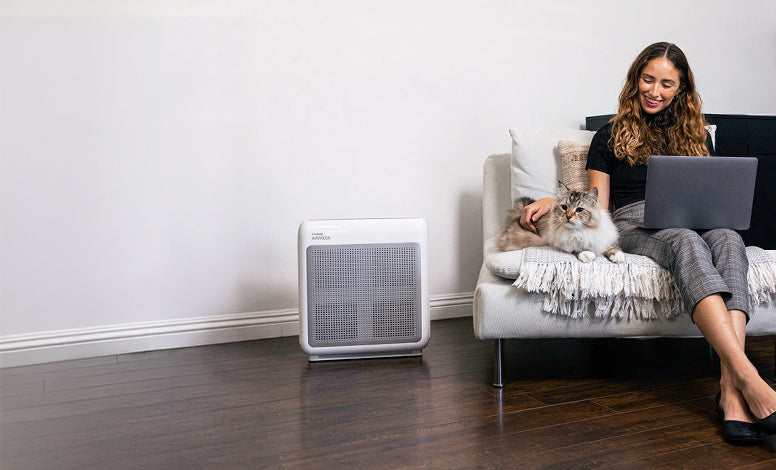
Coway Airmega 400
Premium
Check price
Advanced ionization with dual-sided air intake for large rooms.
View on Amazon →
Dyson Purifier Cool
Premium
Check price
Combines air purification with cooling fan function.
View on Amazon →
Winix 5510
Mid-Range
Check price
Successor to the 5500-2 with True HEPA, carbon filtration, PlasmaWave, and app support.
View on Amazon →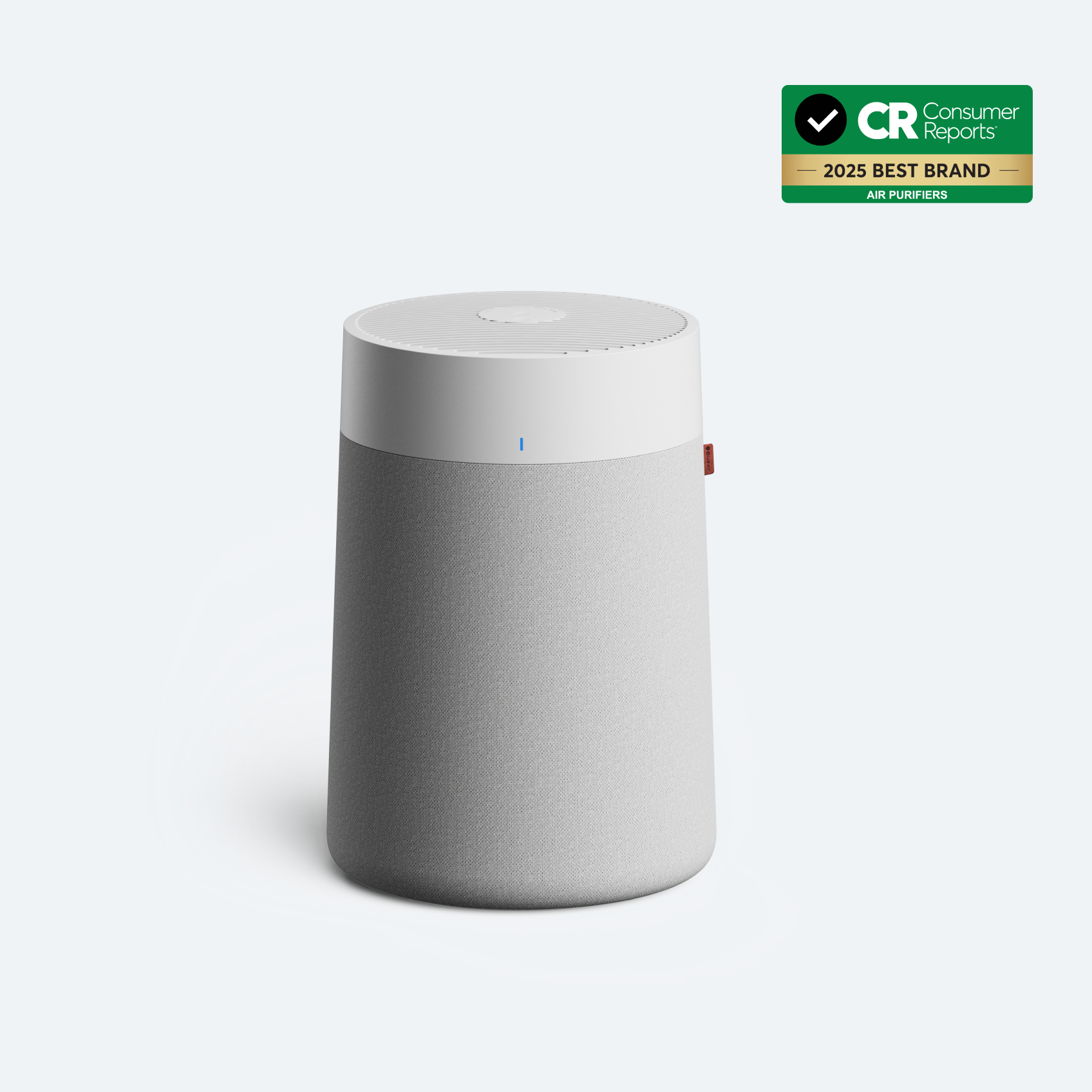
Blueair Blue Pure 211+
Mid-Range
Check price
Swedish design with high CADR and quiet operation.
View on Amazon →
Honeywell HPA300
Mid-Range
Check price
Reliable HEPA filtration with three cleaning levels.
View on Amazon →

Alen BreatheSmart 75i
Premium
Check price
Whisper-quiet premium purifier for large spaces.
View on Amazon →
Molekule Air Pro
Premium
Check price
Advanced photoelectrochemical oxidation technology.
View on Amazon →
GermGuardian AC5250PT
Budget
Check price
Compact with germicidal UV-C light technology.
View on Amazon →

Levoit Air Purifier Pro
Mid-Range
Check price
Smart WiFi enabled with real-time air quality monitoring.
View on Amazon →
Airthings Renew Air Purifier
Smart
Check price
For bedrooms where you want to see the air quality, not guess. Built-in particulate and humidity sensors with an auto mode that ramps with the room. HEPA handles fine particles down to PM1. The catch: no carbon stage, so it does little for odors or gases.
Buy Direct →
Austin Air HealthMate
Premium
Check price
If you deal with smoke, chemicals, or strong odors, this is the heavy hitter. Medical-grade HEPA plus 15 lbs of activated carbon and zeolite, rated for rooms up to 1500 sq ft, with filters that last about 5 years. You pay for it in price and weight.
Buy Direct →
AirFree P2000
Filterless
Check price
A filterless purifier that heats incoming air to destroy mold, bacteria, and dust mites, so there is nothing to replace and no filter cost. The tradeoff is real: it does not capture dust or large allergens the way a HEPA unit does, so pair it with one if particles are your problem.
Buy Direct →
EyeVac Air Touchless Vacuum and Air Purifier
Specialty
Check price
A floor vacuum and air purifier in one, made for entryways and pet areas. Sweep debris to the touchless sensor base and it pulls it in, while the HEPA side handles airborne dust. As a pure air purifier, a dedicated HEPA unit moves more air for the money.
Buy Direct →